Understanding Die Casting in Malaysia
Die casting has emerged as a pivotal manufacturing process in various sectors, particularly in Malaysia where the industry is rapidly evolving. This method allows for the production of intricate parts from molten metal, offering precision and efficiency that traditional manufacturing methods often cannot achieve. As a leading die casting company malaysia, Sena Diecasting exemplifies the commitment to quality and innovation that defines the Malaysian die casting landscape.
What is Die Casting?
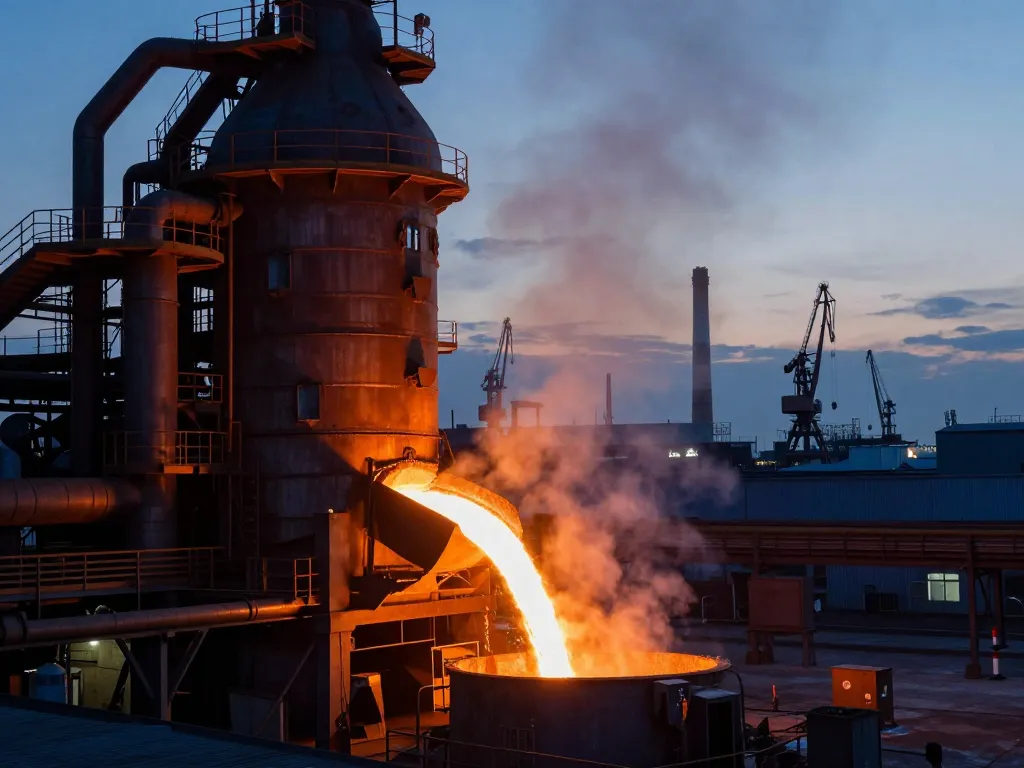
Die casting is a manufacturing process that involves forcing molten metal into a mold under high pressure. The process is primarily used for producing parts in non-ferrous metals such as aluminum, zinc, and magnesium. The molds, known as dies, are designed to create highly detailed shapes and can be reused multiple times, making die casting an efficient method for mass production.
History and Evolution of Die Casting in Malaysia
Malaysia's die casting industry has its roots in the early 1980s, evolving from basic casting techniques to the adoption of advanced die casting technologies. Over the years, Malaysian manufacturers have increasingly focused on quality and precision, aligning with international standards. This evolution has positioned Malaysia as a competitive player in the global die casting market, especially in sectors like automotive and electronics.
Key Benefits of Choosing a Die Casting Company in Malaysia
- Cost-Effectiveness: Die casting produces complex shapes with less material waste, reducing overall production costs.
- High Dimensional Accuracy: The process allows for tighter tolerances and more uniform features compared to other manufacturing methods.
- Improved Surface Finish: Parts produced through die casting often require little to no further processing, offering excellent surface quality.
- Rapid Production Rates: Ideal for high-volume production, die casting can significantly reduce lead times.
Industry Applications of Die Casting
Die casting is versatile and finds applications across numerous industries, from automotive to consumer electronics. This adaptability contributes to the growing demand for die casting services in Malaysia.
Automotive Innovations Utilizing Die Casting
The automotive industry is one of the largest users of die casting components, relying on this method to manufacture lightweight yet durable parts. Components like engine blocks, transmission cases, and wheels are typically sourced from die casting companies. In Malaysia, this trend is particularly pronounced as manufacturers strive to meet the demands for fuel efficiency and performance enhancements.
Electronics and Home Appliances: The Role of Die Casting
In the electronics sector, die casting is utilized to create intricate housings and components for devices. The precision provided by die casting is crucial for ensuring the performance and reliability of electronic products. Additionally, the home appliances industry benefits from die casting, where parts like brackets, panels, and casings are produced to meet high aesthetic and functional standards.
Exploring Aerospace Components through Die Casting
The aerospace industry also employs die casting for producing lightweight, high-strength components. Parts such as structural elements and engine components are cast using specialized alloys to withstand the extreme conditions of flight. Malaysia's investment in technology and skilled labor is fostering growth in this segment, catering to both local and international aerospace clients.
Selecting the Right Die Casting Company in Malaysia
Choosing the right die casting partner is essential for any business looking to leverage the benefits of this manufacturing process. Several factors should be taken into account to ensure a successful partnership.
Important Factors to Consider in a Die Casting Partner
- Experience and Expertise: Look for companies with a proven track record and industry experience.
- Technology and Equipment: Ensure the company uses modern equipment and processes to achieve precision.
- Material Capabilities: Verify that the supplier can work with the specific metals and alloys your project requires.
- Customer Service: Establish a partnership with a company that prioritizes communication and support throughout the process.
Questions to Ask Potential Die Casting Suppliers
When approaching potential suppliers, it is vital to ask relevant questions to assess their fit for your project. Consider inquiring about:
- What are your quality control processes?
- Can you provide references from previous clients?
- What are your lead times for production?
- How do you handle design changes during the manufacturing process?
Evaluating Quality Standards and Certifications
Ensure that the die casting company adheres to recognized quality standards such as ISO certifications. These certifications are indicative of a company's commitment to producing high-quality components and maintaining consistent processes.
Best Practices in Die Casting Manufacturing
To optimize die casting processes, companies must adopt best practices that promote efficiency and quality.
Modern Techniques to Improve Efficiency and Quality
Implementing technologies such as robotic automation and advanced simulation software can significantly enhance the efficiency of die casting operations. These technologies help in minimizing defects, reducing cycle times, and ensuring that the final products meet stringent quality requirements.
Common Challenges in Die Casting and How to Overcome Them
Die casting companies often face challenges such as mold wear and thermal fatigue. Addressing these issues involves regular maintenance of molds and employing cooling systems to extend their lifespan. Continuous training of personnel in handling advanced equipment is also crucial for overcoming operational hurdles.
Future Trends Shaping Die Casting Practices in 2025
The die casting industry is expected to see significant advancements in 2025, with trends leaning towards increased automation, the use of artificial intelligence for quality control, and the development of more sustainable manufacturing practices. Companies that adapt to these changes will likely maintain a competitive edge in the market.
Case Studies and Success Stories
Real-world examples highlight the success of die casting companies in Malaysia and their contributions to various industries.
Notable Die Casting Projects in Malaysia
One notable project involved the production of high-performance parts for a local automotive manufacturer. By utilizing advanced die casting techniques, the company was able to reduce production costs and enhance part strength, leading to improved vehicle safety.
Analysis of Successful Partnerships in the Industry
Successful partnerships between die casting manufacturers and their clients exemplify the importance of collaboration. For instance, a partnership focused on developing aerospace components resulted in innovative designs that optimized weight without compromising strength.
How Innovation is Driving Growth in Die Casting Companies
Innovation in materials science and process technologies is driving growth in the Malaysian die casting sector. Manufacturers are increasingly exploring lightweight alloys and hybrid technologies, which allows them to meet the evolving demands of modern industries effectively.