
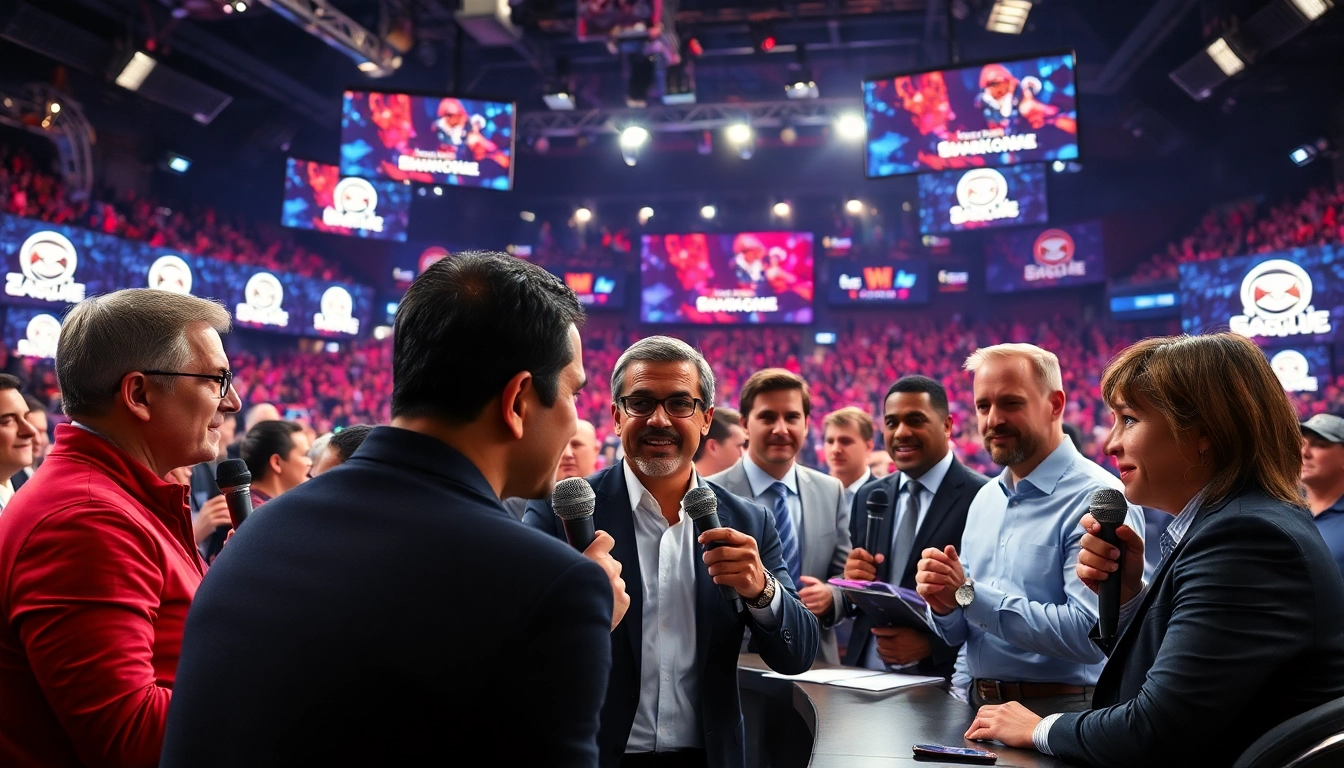
Understanding the Fundamentals of Sports Broadcasting
Sports broadcasting has become an integral part of our media landscape, influencing how fans consume and interact with sports. As sports evolve, so too does their broadcasting, ranging from traditional television formats to the dynamic landscape of digital platforms. Understanding the fundamentals of Sports Broadcasting requires a deep dive into its purpose, formats, and the balance it strikes between information and entertainment.
The Role of Sports Broadcasting in Modern Media
Sports broadcasting serves several key functions in modern media. Primarily, it provides a platform for fans to experience their favorite sports leagues and teams. Additionally, it bridges the gap between teams and their audiences by crafting narratives that engage viewers beyond just the score. The rise of 24-hour sports news and expert commentary has also added dimensions to how fans understand games, athletes, and events. This multimedia approach enhances the viewing experience, creating deeper connections between the audience and the sports they love.
Key Types of Sports Broadcasting Formats
Understanding different broadcasting formats is crucial for effective delivery. Key formats include:
- Television Broadcasts: Traditional live broadcasts remain prevalent, with real-time commentary and expert analysis.
- Radio Broadcasting: Fans can follow games through play-by-play commentary, appealing particularly to those on the move.
- Online Streaming: Platforms like YouTube and sports-specific websites allow content to reach a global audience, catering to varied viewing preferences.
- Social Media Channels: Platforms like Twitter or Instagram offer bite-sized updates, engaging a younger audience and creating opportunities for fan interaction.
Balancing Information and Entertainment in Broadcasting
Successful sports broadcasters must balance delivering factual information with entertaining content. While statistics and scores are essential, the addition of storytelling elements captivates viewers, enhancing their emotional investment. Broadcasters should focus on providing context around statistics, sharing player backgrounds, and highlighting pivotal moments in the game. Tailoring the tone of commentary to the audience—be it playful or serious—further enhances viewer engagement, thereby achieving that perfect balance.
Essential Skills for Sports Broadcasters
The world of sports broadcasting demands a unique blend of skills. Aspiring broadcasters must hone their abilities to communicate effectively, engage their audience, and adapt to an ever-evolving landscape.
Communication Techniques for Effective Commentary
Effective commentary is paramount in sports broadcasting. Broadcasters need to articulate clearly while adopting a relatable tone. Techniques such as varying pitch, pace, and volume can inject energy into the broadcast, captivating the audience. Using humor, anecdotes, and personal experiences can also help foster an emotional connection with viewers, transforming dry statistics into compelling narratives.
Research and Preparation: Knowing Your Sport
Preparation is key to successful broadcasting. A deep knowledge of the sport—its rules, history, player statistics, and current trends—is critical. Broadcasters should regularly review game footage, listen to expert interviews, and analyze prior broadcasts. Keeping abreast of team news, injuries, and other impactful factors ensures that commentary remains relevant and insightful during broadcasts.
Utilizing Technology in Sports Broadcasting
Technology is revolutionizing the broadcasting industry—from enhanced graphics to advanced analytics tools. Understanding how to use these technologies effectively can improve the quality of content presented. Innovations such as augmented reality can provide viewers with a richer understanding, while social media tools can enhance viewer engagement through real-time polling and interaction features. Broadcasters must be adept at leveraging these tools to stay competitive.
Building an Engaging Audience Experience
Engaging viewers is at the heart of sports broadcasting. An immersive experience can transform passive viewers into active participants, fostering a loyal fanbase.
Creating Compelling Storylines in Sports Coverage
A compelling storyline can elevate a broadcast. This involves framing the interest around rivalries, personal journeys, or the significance of matchups. By emphasizing narratives, broadcasters can heighten anticipation around events, making even ordinary matches feel extraordinary. For instance, showcasing a rookie’s rise amidst a seasoned team can captivate fans and create a broader narrative of hope and excitement.
Interactive Elements: Incorporating Viewer Engagement
Modern broadcasting must include interactive elements to maintain viewer interest. Techniques such as live polling, Q&A sessions, and chat functionalities during broadcasts can enhance engagement. Encouraging viewers to share their thoughts via social media can create a community atmosphere. Collaborating with influencers or engaging former players as commentators can also provide fresh perspectives, attracting more viewers.
Understanding Audience Demographics and Preferences
A successful sports broadcaster must have a keen understanding of the audience demographics. This knowledge helps tailor content that resonates with viewers effectively. For example, tailoring the level of analysis to match the viewers’ experience makes content more accessible. Younger audiences may appreciate shorter highlight reels, while hardcore fans often seek in-depth analysis and player statistics.
Strategies for Overcoming Common Broadcasting Challenges
Broadcasting live sports presents numerous challenges. Preparedness and adaptability are essential skills for broadcasters to employ.
Managing Time and Content During Live Events
Time management is crucial during live events as broadcasters need to cover significant moments while ensuring continuity. Strategies include creating a detailed segment breakdown before the event, allowing them to transition smoothly. Practicing concise language will also help deliver necessary information swiftly and efficiently without losing the audience's interest.
Handling Unexpected Situations and Technical Issues
Technical setbacks are inevitable in live broadcasting, so being prepared to address these issues calmly and professionally is vital. Broadcasters should develop protocols for potential scenarios, enabling them to maintain composure. Having backup resources ready, such as pre-recorded interviews or additional commentary materials, ensures that the broadcast remains intact even in adverse situations.
Maintaining Professionalism Under Pressure
Maintaining professionalism during high-pressure situations is vital. Broadcasters should cultivate resilience and emotional control to navigate stressful moments. Active listening during post-game interviews or managing public relations during a team's crisis can also demonstrate professional integrity and poise, which in turn reinforces viewer trust.
Evaluating Success in Sports Broadcasting
After executing a broadcast, broadcasters must evaluate their performance meticulously. Assessing strengths and weaknesses leads to continual improvement.
Key Performance Metrics in Broadcasting
Evaluating success starts with identifying key performance metrics. Viewership numbers, average watch times, and engagement rates on social media are valuable indicators of performance. These metrics should be analyzed to understand overall audience interest and highlight areas for improvement in future broadcasts.
Audience Feedback: Measuring Engagement
Capturing audience feedback post-broadcast is critical. Surveys, social media reactions, and focus groups provide insights into viewer satisfaction. Engaging with the audience in their inquiries or acknowledging their contributions during broadcasts fosters a community feel, further enhancing loyalty to the broadcaster.
Continuous Improvement: Learning from Past Broadcasts
Reflecting on previous broadcasts allows broadcasters to learn from their experiences. Key elements to analyze include commentary style, audience engagement strategies, and technical execution. Regularly reviewing past performances provides insights for ongoing improvement, ensuring each broadcast continues to elevate the viewer experience.
Frequently Asked Questions
What is sports broadcasting?
Sports broadcasting refers to the live coverage, commentary, and analysis of sporting events via various media platforms, including TV, radio, and online streaming.
What skills are essential for sports broadcasters?
Key skills include effective communication, thorough research, adaptability to technology, and the ability to engage an audience while maintaining professionalism.
How do broadcasters maintain viewer engagement?
Engagement can be maintained through compelling storytelling, interactive elements, and adapting content to meet audience preferences and demographic insights.
What challenges do sports broadcasters face?
Common challenges include managing time and content during live events, handling unexpected technical issues, and maintaining composure under pressure.
How is success measured in sports broadcasting?
Success can be measured through viewership statistics, audience feedback, and engagement metrics, allowing broadcasters to evaluate and improve future broadcasts.