
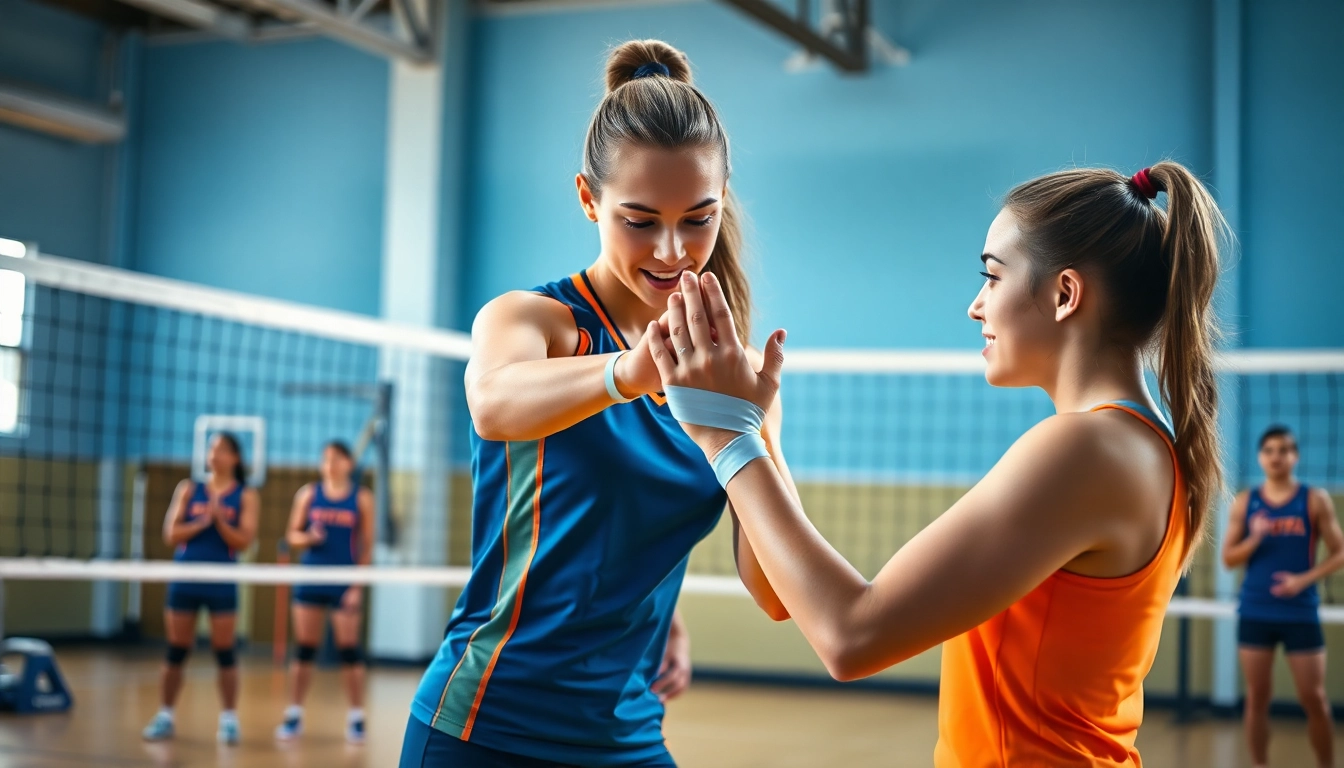
Understanding the Importance of Volleyball Thumb Taping
Volleyball is a sport that places significant demands on athletes, often resulting in injuries, particularly to the hands and thumbs. This is where proper volleyball thumb taping comes into play. Athletes utilize various taping techniques to protect their thumbs from common injuries while enhancing performance during play. Understanding the rationale behind thumb taping, recognizing common injuries, and mastering appropriate techniques can significantly benefit players at all levels.
Why Volleyball Players Tape Their Thumbs
The primary reason volleyball players tape their thumbs is to provide joint stability and support. Taping acts as a protective measure that helps to prevent injuries, particularly during high-impact plays such as spikes and blocks. Taping can also mitigate pain and facilitate recovery for those who have already sustained injuries. By securing the thumb in place, players are less likely to experience strain or sprains that could sideline them during crucial matches.
Common Thumb Injuries in Volleyball
Player safety is paramount, especially considering the frequency of thumb injuries in volleyball. The most common issues include:
- Sprains: Often caused by unintentional impacts or falls, sprains can lead to swelling and stiffness.
- Strains: Overuse can lead to muscle or tendon strains, particularly in the joints.
- Dislocations: While not as common, a forceful impact can cause the thumb to dislocate, requiring immediate medical attention.
Understanding these injuries allows players to be proactive in their approach to prevention and recovery.
Benefits of Proper Taping Techniques
Applying tape correctly is essential for maximizing the benefits it provides. Proper taping techniques can:
- Enhance joint stability, minimizing the risk of further injury.
- Support muscle recovery, allowing athletes to continue playing with less discomfort.
- Increase confidence in performance by providing a sense of security in vulnerable joints.
These advantages contribute to a more enjoyable and competitive playing experience.
Essential Materials for Effective Thumb Taping
Achieving the best results in volleyball thumb taping starts with selecting appropriate materials. Athletes can choose from a variety of tapes and supplies tailored for their specific needs.
Types of Athletic Tape Suitable for Volleyball
There are several types of athletic tape that work well for thumb taping:
- Elastic Bandage: Offers flexibility and can be adjusted easily, making it ideal for modifying pressure.
- Rigid Tape: Provides excellent support for injured areas but can restrict motion; best used in recovery phases.
- Pre-tape Spray: Helps the tape adhere better to the skin while reducing irritation.
How to Choose the Right Tape for Your Needs
Selecting the right tape depends on the athlete’s specific requirements. For support during games, rigid tape may be preferable, while elastic bandages are suitable for gradual compression and swelling management. Always consider the level of comfort and skin sensitivity when choosing a tape type.
Additional Supplies for Successful Taping
Beyond tape, having a few additional supplies can enhance the effectiveness of the taping process:
- Scissors: For cutting tape to the desired length and shape.
- Adhesive Spray: To increase tape longevity and stability.
- Pre-wrap: To protect the skin and simplify tape removal after use.
Step-by-Step Guide to Taping Your Thumb
Now that the materials are selected, here’s a practical guide for athletes to tape their thumbs effectively.
Preparing Your Thumb for Taping
Before applying tape, it’s crucial to prepare the thumb. Start by cleaning the area to ensure the tape adheres properly. Use a pre-wrap if sensitivity is an issue. Make sure the thumb is in a neutral position before starting the taping process.
Applying the Tape: Techniques and Patterns
Follow these steps for effective thumb taping:
- Start by applying an anchor strip around the wrist to provide a base.
- Wrap the tape around the thumb, following a figure-eight pattern to ensure the joint remains stable.
- Finish by securing the end of the tape back onto the wrist anchor, creating a supportive and secure fit.
Post-Taping Tips for Optimal Performance
Once the taping is complete, check for circulation and comfort. The tape should feel snug but not overly tight. During play, monitor the thumb for any signs of irritation or discomfort, and adjust if necessary. Remove the tape immediately if pain or numbness occurs.
Addressing Common Misconceptions About Thumb Taping
In the world of sports, myths often overshadow factual knowledge. It’s important to separate fact from fiction when it comes to thumb taping.
Myths Surrounding Thumb Taping
One prevalent myth is that taping alone can prevent all injuries. While it provides substantial support, it cannot replace proper technique and conditioning. Another common misconception is that taping is only necessary after an injury, when, in fact, preventative taping can significantly reduce the chances of injury occurrence.
Real Experiences: Athletes Share Their Insights
Athletes often express how effective taping has been for their performance. Many report feeling more confident and capable after adopting a consistent taping routine, leading to improvements in their overall game. Others have pointed out that proper taping has reduced their injury recovery time significantly.
When to Seek Professional Help
Although taping can be highly effective, it is critical to recognize when to consult a medical professional. Persistent pain or recurring injuries warrant professional evaluation for potential underlying issues. Athletes should also consult with trainers or physical therapists to refine their taping techniques and overall injury prevention strategies.
Future Trends in Sports Injury Prevention: Taping and Beyond
As technology continues to advance, so does the approach to injury prevention in sports. Future trends in taping and injury management show promising potential for volleyball players.
Technological Advances in Taping Materials
Innovations in taping materials are set to enhance performance and safety. Manufacturers are developing tapes with built-in pain-relieving properties and improved adhesion qualities, which may provide better support and comfort for athletes during play.
Integrating Wearable Tech with Taping Practices
The integration of wearable technology, such as smartwatches and fitness trackers, with taping practices is another upcoming trend. These devices can monitor athletes' performance metrics and provide real-time feedback on physical stress, helping coaches and players make informed decisions about taping and injury management.
Looking Ahead: Injury Prevention Strategies for 2025
The future of injury prevention in sports, particularly volleyball, will likely focus on a holistic approach. This includes combining proper taping techniques, strength conditioning, and smart technology to create comprehensive injury prevention strategies. As the sports community continues to prioritize player health and safety, athletes can look forward to enhanced techniques and tools that empower them to perform at their best.