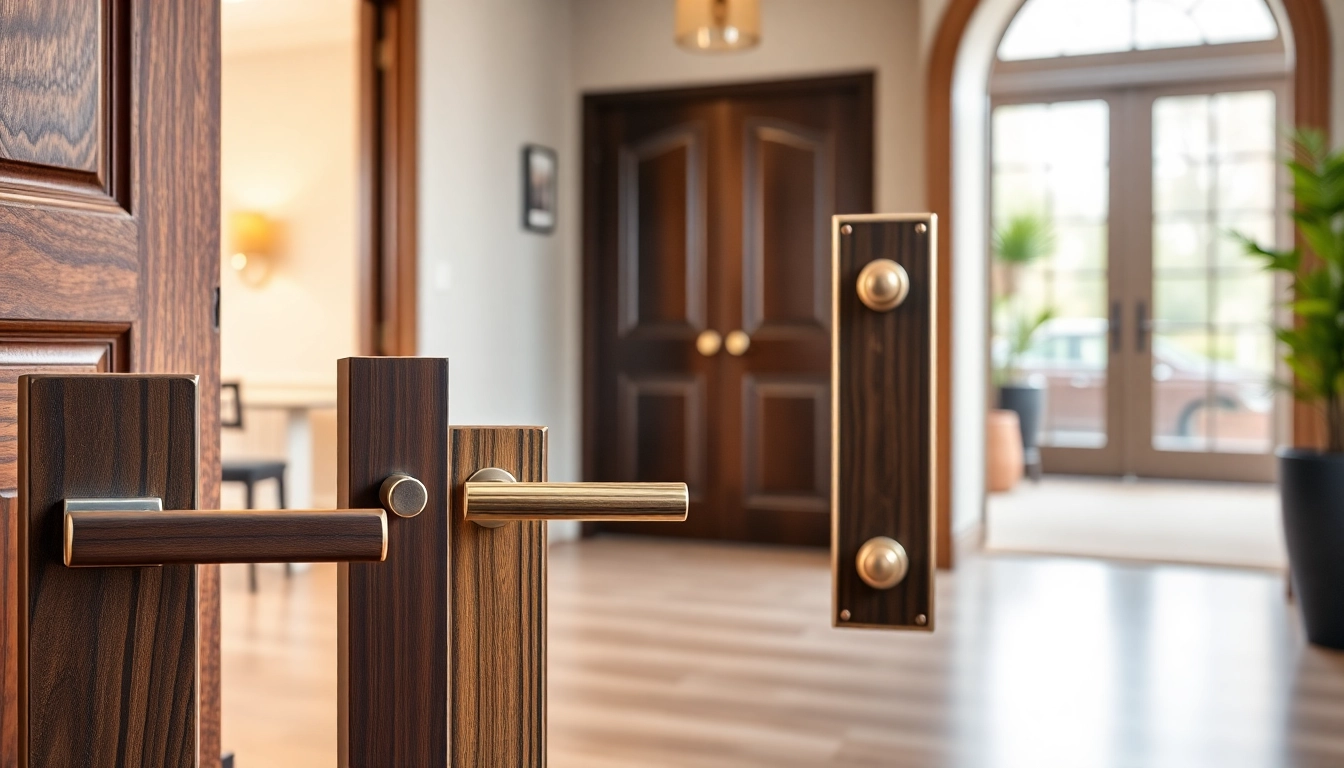
Understanding Door Handles
Door handles serve as fundamental components in the architecture of our living spaces. Aside from their primary function of facilitating access, they contribute significantly to the aesthetic appeal of interiors. At Door Handle Company, we believe that choosing the right door handle is essential to enhancing both functionality and style in your home. This section delves deeper into the types, materials, and design considerations crucial to understanding door handles better.
Types of Door Handles
When selecting door handles, it is essential to understand the various types available. Each type serves different purposes and offers unique functionalities:
- Lever Handles: A popular choice, lever handles are easy to operate and come in various styles. They are often used in residential homes due to their accessibility and design versatility.
- Knobs: These classic door hardware options are often used for interior doors. Their spherical shape provides a traditional look but may be less ergonomic than lever handles.
- Pull Handles: Used primarily for doors that do not require locking mechanisms (like sliding doors), pull handles combine functionality with understated elegance.
- Smart Handles: With the rise in home automation, smart handles provide keyless entry and can be controlled via smartphone apps, making them perfect for tech-savvy homeowners.
Materials Used in Modern Door Handles
Door handles come in a range of materials, each influencing durability, functionality, and the overall aesthetic of the space:
- Metal: Stainless steel and brass are highly durable and resistant to wear and tear. They add a contemporary touch and are easy to maintain.
- Wood: Wooden door handles offer a warm, rustic appeal. They can be carved in intricate designs but require more care to prevent damage from moisture.
- Plastic: While less common, plastic handles are budget-friendly options that can come in various colors and styles, suitable for interior use.
- Alloy: Frequently used for modern designs, alloys can mimic different finishes while avoiding some of the weight and maintenance issues of solid metals.
Choosing the Right Door Handle Style
Choosing the right style of door handle is essential to harmonizing your space:
- Traditional: Characterized by ornate details and classic finishes, these handles work well in heritage homes.
- Contemporary: Featuring sleek lines and minimalistic designs, contemporary styles are perfect for modern, open-concept homes.
- Industrial: Raw materials and rugged designs exemplify industrial styles, suitable for lofts or spaces with exposed architecture.
Importance of Quality in Door Handles
The quality of door handles often goes unnoticed, yet it is critical for safety, functionality, and aesthetic integration in homes. High-quality door handles enhance user experience and longevity, making them a worthy investment.
Why Quality Matters
Opting for quality door handles guarantees not just durability but also reliability in operation. A well-made handle withstands frequent use and maintains its functionality without the need for replacement. Furthermore, quality hardware reflects a homeowner’s attention to detail, elevating the overall perception of the home.
How Quality Affects Durability
Durability in door handles comes from the materials and craftsmanship involved in their creation. High-grade metals are impervious to corrosion, while solid construction ensures that handles will not easily break or become loose. Quality handles maintain their integrity over time, which can translate into significant cost savings by reducing replacement needs.
Impact on Home Aesthetics
Quality handles contribute positively to the aesthetic appeal of a home. They can elevate a room’s design, making even simple doors feel inviting and well-crafted. Using high-quality handles also offers a consistency of style, essential in creating a cohesive look throughout the home.
Installation Tips for Door Handles
Installation is a critical step that ensures the handles work correctly and complement the doors aesthetically. Proper installation not only facilitates the optimal functioning of the handles but also ensures longevity.
Essential Tools for Installation
Before installing door handles, you will need a few essential tools:
- Drill
- Measuring tape
- Screwdriver
- Level
- Pencil for marking
Step-by-Step Installation Guide
Here’s a simple guide to install your new door handles:
- Measure and Mark: Use a measuring tape to determine the correct height for your handle, typically around 36 to 48 inches from the floor.
- Drill Holes: Drill holes into the door where the handle will be positioned. Ensure the holes are aligned correctly by using a level.
- Insert the Handle: Place the handle through the holes, aligning it with the latch plate on the door edge.
- Screw in Place: Secure the handle by inserting screws and tightening them without overtightening.
- Test Functionality: Once installed, test the handle to ensure smooth operation.
Common Installation Mistakes to Avoid
Here are some frequent errors to be cautious of during installation:
- Incorrect Measurements: Double-check your measurements before drilling to avoid misalignment.
- Neglecting Latch Placement: Ensure the latch aligns properly with the handle for smooth operation.
- Overtightening Screws: This can lead to broken screws and damaged hardware. Tighten gently.
Maintenance of Door Handles
Regular maintenance of door handles extends their life and enhances their appearance. By implementing straightforward care techniques, homeowners can ensure their door handles remain functional and visually appealing.
Cleaning Techniques for Various Materials
Different materials require specific cleaning approaches:
- Metal: Use a damp cloth followed by a dry one. For stubborn stains, a gentle metal polish can revitalize the finish.
- Wood: Wipe with a microfiber cloth and use a wood conditioner periodically to maintain shine.
- Plastic: A mild soap solution is generally sufficient. Rinse and dry to prevent streaks.
Signs of Wear and When to Replace
Recognizing signs of wear early can help you avoid complete replacements:
- Difficulty in turning or operating handles.
- Visible corrosion or rust, especially on metal handles.
- Loose fittings that do not secure in place.
Long-term Care Tips
To maintain your door handles in optimal condition:
- Regularly assess the condition of handles every few months.
- Ensure that door frames are aligned to prevent stress on handles.
- Keep handles lubricated (for metal handles) to ensure optimal movement.
Top Trends in Door Handles
As trends in design evolve, so do the options available for door handles. Staying informed about these trends can help homeowners make stylish and informed choices.
Current Trends in Design
Currently, there is a significant trend toward handles featuring minimalist designs, with an emphasis on geometric shapes and matte finishes. Additional trends include colorful options, which enable homeowners to incorporate bold statements into their interior design.
Emerging Technologies in Door Handles
Technology has led to the emergence of smart door handles, which can improve security through features like keyless entry and remote access. Many modern handles integrate with smart home systems, enabling seamless automation.
Future Outlook for Door Handle Designs
Looking ahead, sustainability is becoming a significant factor in material selection for door handles. Recycled materials and eco-friendly production methods are gaining attention as consumers become more environmentally conscious.
FAQs About Door Handles
What is the best material for door handles?
The best material depends on personal preference and usage. Metal handles offer durability, while wood provides warmth. Choose based on your design needs and functionality.
How often should I clean my door handles?
Cleaning door handles should be done regularly, at least once a month, or more often in high-traffic areas, to maintain hygiene and appearance.
Are smart door handles worth it?
Yes, smart door handles enhance security and convenience. They allow for keyless entry and can integrate with home automation systems.
Can I replace a door handle myself?
Yes, replacing a door handle is a straightforward DIY task. Follow proper installation guidelines and use the right tools to ensure success.
What are the signs of a failing door handle?
Signs of a failing door handle include difficulty turning the handle, loose fittings, or visible damage. Address these issues promptly to maintain functionality.