
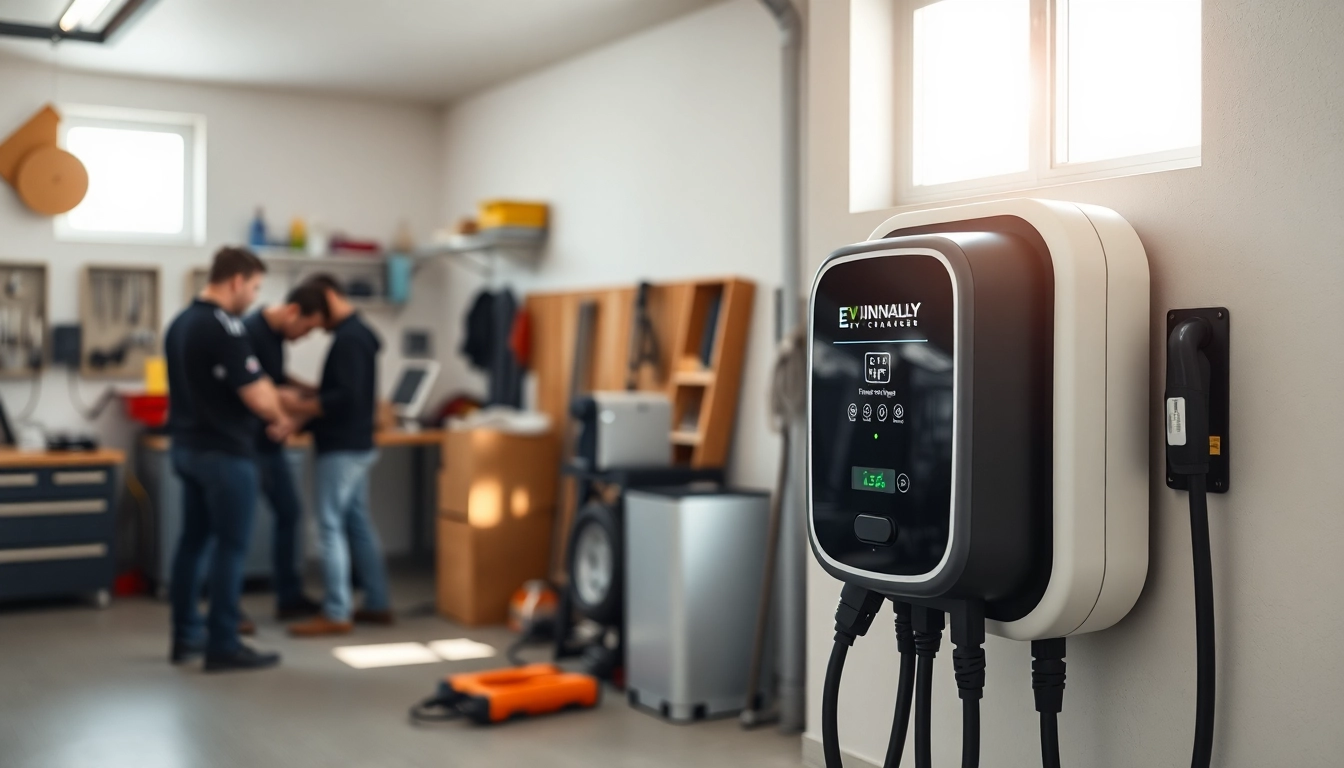
Understanding EV Chargers
What is an EV Charger?
An Electric Vehicle (EV) charger is a device that supplies electric energy to recharge electric vehicles, including hybrids. The charger is crucial for maintaining battery health and extending the range of your vehicle. It connects the EV battery to the electrical grid, allowing for efficient power transfer. With a growing market for electric vehicles, understanding different types of EV chargers will ensure you select the best option for your needs.
Types of EV Chargers Explained
EV chargers come in various types distinguished primarily by their power delivery capabilities. The three main types are:
- Level 1 Chargers: These are standard household outlets typically providing 120 volts and can deliver around 3-5 miles of range per hour. They are suitable for plug-in hybrids and short-range electric vehicles.
- Level 2 Chargers: These use a 240-volt supply and can deliver about 10-60 miles of range per hour, making them suitable for most electric vehicles. Installation requires a dedicated circuit.
- DC Fast Chargers: These are usually found at commercial charging stations and provide rapid charging capabilities, delivering 60-80 miles of range in around 20 minutes. They use direct current to charge batteries much quicker than alternating current.
Benefits of Home Charging Solutions
Investing in a home EV charging station, such as those offered by McNally EV, comes with numerous benefits:
- Convenience: Charge your vehicle overnight or during off-peak hours without needing to travel to a public charger.
- Cost-Effective: Home charging can be cheaper than using public charging stations, especially with time-of-use electricity rates.
- Increased Property Value: Having an EV charger can enhance the resale value of your home, appealing to environmentally-conscious buyers.
Installation Process for McNally EV Chargers
Site Assessment and Planning
The first step in installing your McNally EV charger is site assessment and planning. An expert will evaluate your electrical system and the location where the charger will be installed. This includes assessing the distance to the electrical panel, potential conflicts with other utilities, and determining the best type of charger for your requirements. Consideration of local regulations and permitting may also be necessary, ensuring compliance with legal requirements.
Tools and Equipment Needed
To proceed with the installation, specific tools and equipment are essential:
- Voltage tester
- Wire cutters and strippers
- Drills and bits
- Mounting hardware
- Conduit for wiring protection
Additionally, safety gear, including gloves and goggles, is important to ensure a safe working environment.
Step-by-Step Installation Guide
The installation of your McNally EV charger typically follows these steps:
- Ensure the power is disconnected at the main circuit panel to avoid electric shock.
- Mount the EV charger on the designated wall or pole, ensuring it’s within reach of your vehicle.
- Install the electrical conduit, running from the charger to the electrical panel.
- Connect the charging unit’s wiring, adhering to manufacturer instructions.
- Test the installation for proper operation before securing the final setup.
Always consult with or hire a professional electrician to guarantee safety and compliance with codes.
Choosing the Right McNally EV Charger
Understanding Charging Speeds
Charging speeds greatly affect your driving convenience and vehicle functionality. Understanding how long it takes to charge your EV at home can help you choose a suitable charging solution. Level 2 chargers significantly reduce charging time compared to Level 1 chargers, making them the preferred option for most EV owners who require daily use.
Compatibility with Your Vehicle
When selecting a charger, it’s crucial to ensure compatibility with your specific vehicle’s make and model. Different electric vehicles come with assorted charging ports and capabilities, so always check the charger’s specifications against your vehicle’s requirements.
Value for Money: Features to Consider
While selecting a charger, consider the following aspects to ensure you achieve good value for your investment:
- Smart Features: Chargers with smart capabilities allow you to monitor and control charging remotely via a mobile app.
- Durability: Look for chargers that are weather-resistant and built to last, particularly for outdoor installations.
- Warranty: A robust warranty guarantees protection and coverage for unexpected damages and indicates the manufacturer’s confidence in their product.
Maintaining Your McNally EV Charger
Regular Maintenance Tips
To keep your McNally EV charger functioning at its best, incorporate these maintenance tips:
- Periodically check for wear and tear on cables.
- Clean the charger’s exterior to remove dust and debris.
- Inspect connections for corrosion, ensuring robust power flow.
Common Issues and Troubleshooting
Despite the reliability of EV chargers, you may encounter some common issues. Here are a few troubleshooting tips:
- Not Charging: Ensure the charger is receiving power and check for any error codes on the unit.
- Slow Charging: Inspect the connection and verify the charger meets the vehicle’s charging specifications.
- Overheating: Shut off the charger immediately and consult a professional for guidance.
When to Call for Professional Help
While many issues can be resolved independently, some scenarios necessitate professional assistance. If you observe persistent operational issues, unfamiliar error codes, or complicated installation alterations, contacting a certified electrician with experience in EV charger installation is advisable. It ensures safety and adherence to local codes.
Future of Home EV Charging
Innovations in EV Charging Technology
The electric vehicle charging landscape is rapidly evolving, with innovations like wireless charging and ultra-fast charging gaining traction. These advancements aim to minimize charging times further and improve user experience. Innovations, such as mobile charging units and integrated solar solutions, can also provide sustainable energy options for charging your EV at home.
Impact of EV Charging on Real Estate
Homeowners looking to increase property value may find that installing EV chargers significantly enhances the appeal of their residences. As electric vehicle adoption continues to rise, properties that offer efficient and accessible charging solutions will likely see a corresponding increase in value and marketability.
Sustainability and Environmental Benefits
Transitioning to electric vehicles contributes positively to environmental health, significantly reducing greenhouse gas emissions compared to traditional combustion engines. By utilizing home charging solutions from McNally EV, users can also consider the environmental qualities of their electricity sourcing, opting for renewable energy options that further enhance their sustainability efforts.
FAQs about McNally EV Chargers
1. What makes McNally EV chargers unique?
McNally EV chargers are designed for efficiency and convenience, offering smart features for remote monitoring and optimized charging times, making them an ideal home charging solution.
2. How long does it take to install a McNally EV charger?
An installation can typically take a few hours, depending on the complexity of the electrical setup and required equipment. A professional assessment will provide specific time estimates.
3. Can I install a McNally EV charger by myself?
While DIY installations are possible, hiring a qualified electrician is recommended to ensure safety and compliance with local regulations.
4. What maintenance does a McNally EV charger require?
Regular inspections for wear, cleaning of the unit, and checking connections for corrosion are essential for maintaining optimal performance.
5. Are McNally EV chargers compatible with all electric vehicles?
Most McNally EV chargers are designed to be compatible with the majority of electric vehicles, but always check compatibility with your vehicle model before purchase.
