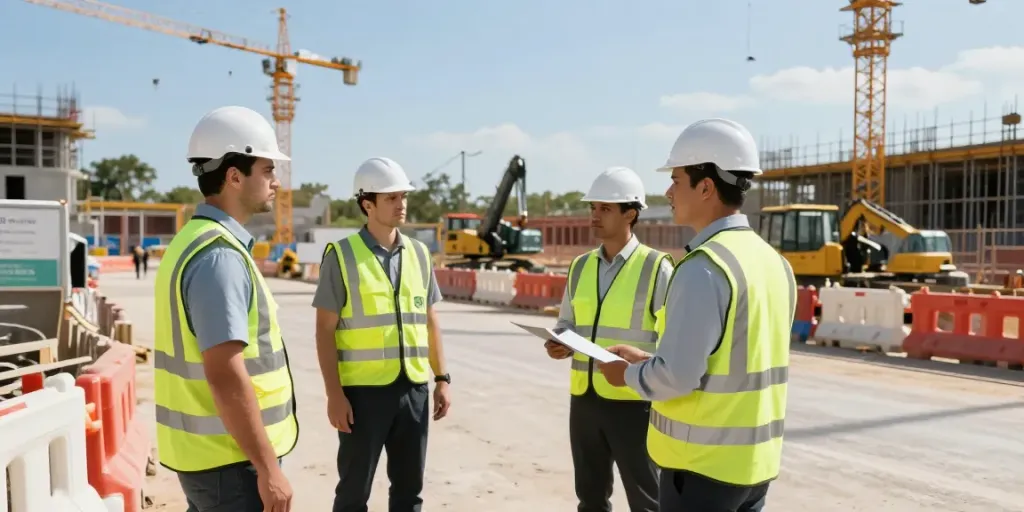
Understanding Construction Site Security Needs
Construction sites are often prime targets for theft, vandalism, and other security breaches, highlighting the importance of having robust Construction Site Security measures in place. As a property owner or project manager, recognizing the common threats and implementing appropriate security strategies is crucial. This article explores the various aspects of construction site security, from understanding why such measures are essential to identifying effective providers and practices.
Why Invest in Construction Site Security?
The construction industry often involves significant financial investments, vulnerable materials, and equipment that can easily attract criminal activity. Statistically, construction sites are targeted 3-4 times more frequently than other small businesses. Investing in construction site security is crucial for preventing losses, ensuring project timelines are met, and maintaining a safe working environment. Additionally, effective security measures can reduce insurance costs and minimize liability for accidents and theft on-site.
Types of Security Measures for Construction Sites
Several security measures can be implemented to protect construction sites. These can include:
- Manned Security Guards: Trained personnel are stationed on-site to monitor activities, deter unauthorized access, and respond to incidents.
- Surveillance Cameras: CCTV systems give real-time views of the site and can be crucial for identifying suspicious behaviors and recording evidence.
- Access Control Systems: These limit entry points to trusted personnel, allowing only authorized individuals access to the site.
- Fencing and Barriers: Physical barriers can help deter trespassers and prevent theft.
- Alarm Systems: These systems alert security personnel in case of a breach, providing a critical early response mechanism.
Key Benefits of Professional Security Services
Engaging professional security services offers multiple advantages, including:
- Expertise in Risk Management: Security professionals are trained to assess potential risks and develop tailored solutions that effectively mitigate these threats.
- 24/7 Monitoring: Around-the-clock security ensures that any incidents are documented and addressed promptly.
- Peace of Mind: Knowing that your construction site is secure allows project managers and workers to focus on their tasks without worry.
- Customized Security Plans: Professional services can create security plans specific to your project’s unique needs and risks.
Choosing the Right Local Security Provider
Selecting the right security provider for your construction site is critical to ensuring effective protection and peace of mind. This choice involves evaluating different aspects of potential partners to find a service that aligns with your project needs.
What to Look for in a Construction Site Security Company
When assessing potential security firms, consider the following:
- Licensing and Certification: Ensure that the company holds valid licenses, such as the Security Industry Authority (SIA) certification. This guarantees that they meet regulated standards and undergo continuous assessments.
- Experience and Expertise: Choose a provider that specializes in construction site security and has a proven track record in the industry.
- Comprehensive Service Offerings: A good security company should offer a range of services, including manned guarding, surveillance, risk assessment, and emergency response.
- Reviews and Recommendations: Look for testimonials and reviews from past clients to gauge the provider’s reliability and reputation.
Understanding Certifications and Licenses Required
All reputable security companies should hold the necessary licenses and certifications associated with the security industry. In the UK, the Security Industry Authority is the governing body that regulates private security companies, ensuring they follow specific standards related to training, client interaction, and operational procedures. Other relevant certifications could include ISO 9001 for quality management and NSI Guarding Gold accreditation, showcasing adherence to high standards in security service delivery.
Local Reviews and Reputation Assessment
Before selecting a security company, conducting a thorough review of local feedback can provide insights into their reliability and professionalism. Websites like Yelp or Trustpilot, along with local forums, can serve as valuable resources. Positive feedback from clients in similar industries is a good indicator of competence and quality service delivery.
Cost Breakdown for Construction Site Security Services
Understanding the cost of security services for construction sites is essential when planning your budget. Costs can vary widely based on various factors, including the size of the site, required security measures, and the duration of service. Below is a basic overview of expected pricing.
Typical Pricing Models in 2026
In 2026, the average cost for construction site security services can range from £12 to £20 per hour for basic guarding services. However, more specialized services, such as surveillance monitoring or 24/7 protection, can exceed £25 per hour. Consider rates offered during peak seasons or temporarily while a high-value asset is on-site as these can influence overall costs significantly.
Factors Influencing the Cost of Security Services
Several factors can affect the pricing of security services:
- Project Size: Larger sites typically require more personnel and resources, increasing costs.
- Location: Security rates vary significantly by geographic area; construction sites in high-crime areas may incur higher costs.
- Duration of Coverage: Short-term contracts may have different pricing structures than long-term engagements.
- Security Needs: The complexity of security requirements will also dictate overall costs, with more extensive measures necessitating higher fees.
Budgeting for Short-term vs Long-term Projects
When planning your budget for security services, consider the nature of your construction project. For short-term projects, it may be beneficial to select flexible service agreements that provide cost savings without compromising security. In contrast, for long-term projects, negotiated flat fees or retainer agreements may be more economical. Discuss your specific security requirements with potential providers to obtain accurate quotes and tailor your budget accordingly.
Best Practices for Maintaining Security on Construction Sites
Maintaining security on construction sites involves ongoing efforts, including regular assessments and updates to security measures in response to new threats or changes in project dynamics. Here are some best practices to ensure effective security management:
Seasonal Considerations for 2026
Security needs can evolve with the seasons. During winter months, for example, increased theft may occur due to decreased daylight. Adjusting security personnel schedules and exploring additional lighting or surveillance measures can help combat seasonal risks. Similarly, during peak construction periods, it's imperative to evaluate security protocols to ensure all heightened risks are addressed.
Common Security Risks to Watch For
Be aware of the following security risks commonly associated with construction sites:
- Theft of Equipment and Materials: Tools and raw materials are often left unattended, making them easy targets for theft.
- Vandalism: Vandalism can occur, leading to both financial losses and project delays.
- Unauthorized Access: Ensuring that only personnel with permits can access the site is crucial to maintaining site safety.
Emergency Response Plans and Protocols
An effective security program must also include comprehensive emergency response plans. Establish clear protocols for a variety of potential incidents, such as theft, vandalism, or even natural disasters. Regular training for all personnel on these protocols is essential to ensure everyone knows how to respond swiftly and effectively in emergencies.
Getting Started with Construction Site Security
Implementing effective security protocols is vital for protecting your construction site, and taking the initial steps can set a strong foundation for your overall security strategy. Here are recommended steps to kickstart the process:
Steps to Implementing Effective Security Protocols
- Conduct a Risk Assessment: Begin by identifying potential risks specific to your construction site and outline your security needs based on these findings.
- Consult with Security Professionals: Engage with experienced security firms to discuss tailored solutions and service options that best meet your needs.
- Develop a Security Plan: Based on consultations and assessments, create a comprehensive security plan detailing required measures, staffing, and technology.
- Train Staff: Train your teams on security protocols, responsibilities, and emergency response procedures.
Training Your Staff on Security Awareness
Security awareness training should not be limited to security personnel. All staff members must understand potential threats and the importance of compliance with security procedures. Training can contribute to a culture of safety, increasing overall site protection and minimizing risks.
Contacting Local Security Experts for a Consultation
For tailored advice and insight on securing your construction project effectively, consider reaching out to local security experts. For more information, Construction Site Security offers valuable insights. A professional consultation can provide a clearer understanding of your site’s unique security needs and the best approaches to mitigate threats.