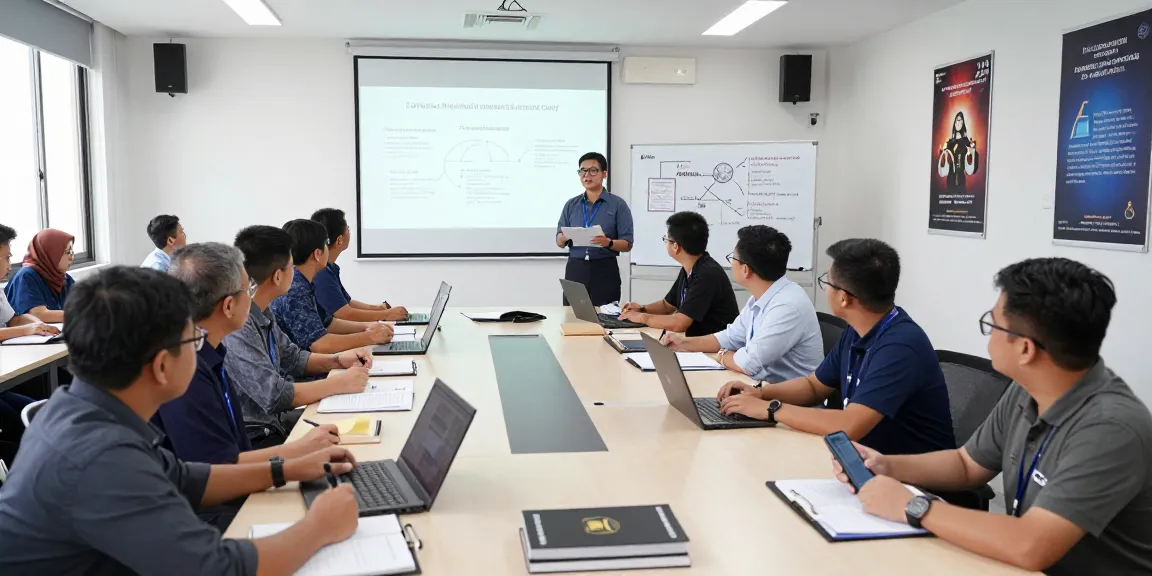
Understanding Team Collaboration in 2026
As we navigate through the complex landscape of modern workplaces, the importance of effective team collaboration has never been more pronounced. In 2026, organizations are challenged not only by the increasing pace of technological advancement but also by the diverse needs and expectations of their workforce. To prosper, teams must embrace collaborative strategies that enhance communication, improve productivity, and foster a culture of inclusivity. To unlock these insights and strategies, find out here how leading organizations are evolving their teamwork approaches.
Defining Effective Collaboration Strategies
Defining effective collaboration strategies involves understanding both the dynamics of team interactions and the tools that facilitate these processes. Collaboration should be viewed as a holistic practice that integrates clear communication, shared goals, and accountability among team members. Some key strategies include:
- Setting Clear Objectives: Effective collaboration begins with clarity of purpose. Teams should establish specific, measurable, achievable, relevant, and time-bound (SMART) objectives to guide their efforts.
- Encouraging Open Communication: Promoting an environment where all team members feel comfortable sharing their ideas and feedback is essential. Regular check-ins and updates can help maintain momentum and address any concerns proactively.
- Utilizing Technology: Leveraging collaboration tools such as Slack, Microsoft Teams, or Asana can streamline communication and task management, making it easier for teams to coordinate their efforts across different locations.
Identifying Common Pitfalls in Team Dynamics
While it’s crucial to implement effective strategies, teams often encounter pitfalls that can hinder collaboration. Some of the most common issues include:
- Miscommunication: Failure to convey information clearly can lead to misunderstandings and project delays.
- Lack of Engagement: Team members who do not feel invested in the project may contribute less, leading to imbalanced workloads and morale issues.
- Resistance to Change: Teams may struggle to adapt to new tools or processes, creating friction and reducing overall efficiency.
Impact of Technology on Remote Collaboration
In an era where remote work has become commonplace, technology plays a pivotal role in facilitating collaboration. Video conferencing platforms like Zoom or Google Meet have become essential for teams to connect and communicate in real-time. Furthermore, project management software allows teams to track progress, assign tasks, and manage deadlines effectively, regardless of geographical barriers. However, it's vital that organizations provide training and support to ensure all team members can utilize these technologies efficiently.
Key Collaboration Tools for Your Team
As the collaboration landscape evolves, so too do the tools that support it. Selecting the right tools can significantly enhance teamwork and project outcomes. It's beneficial for organizations to explore various options to find the best fit for their specific needs.
Exploring Innovative Platforms for Communication
In today's digital workspace, communication platforms must be user-friendly and adaptable. Teams can benefit from tools such as:
- Trello: Ideal for visualizing workflows and managing projects with boards, lists, and cards.
- Basecamp: Combines message boards, to-do lists, and file sharing in a single place, making it easier for teams to stay organized.
- Zoom: Provides reliable video conferencing capabilities, allowing teams to connect face-to-face even from distant locations.
Best Practices for Tool Implementation
When implementing new collaboration tools, teams should consider the following best practices:
- Involve Team Members: Encourage feedback on tool selection to ensure buy-in and address any hesitations.
- Provide Training: Offering training sessions can facilitate smoother transitions and enhance tool usage among less tech-savvy members.
- Regular Evaluation: Periodically assess the effectiveness of the tools being used and remain open to making adjustments as needed.
Measuring Success in Tool Adoption
To gauge the effectiveness of collaboration tools, teams should establish metrics such as user engagement rates, task completion times, and overall project success rates. Gathering feedback through surveys can also help identify areas for improvement and optimize tool usage.
Case Studies: Successful Team Collaboration Examples
Examining real-world examples of effective team collaboration can provide valuable insights and actionable lessons for organizations striving to enhance their own practices.
Reviewing Industry Leaders' Strategies
Many industry leaders have successfully implemented innovative collaboration practices. For instance, companies like Google and Microsoft have leveraged flexible working models and cutting-edge technology to foster a culture of collaboration that drives creativity and productivity.
Lessons Learned from Real-World Applications
From these case studies, several key lessons emerge:
- Adaptability: Successful teams learn to adapt their strategies based on changing circumstances and feedback.
- Inclusivity: Engaging diverse perspectives can lead to more innovative solutions and a stronger team dynamic.
- Celebrating Successes: Recognizing and celebrating team achievements can boost morale and foster a sense of camaraderie.
Adapting Strategies for Your Specific Team
While these strategies have been proven successful in various organizations, it's essential to tailor them to your team’s unique context and objectives. Conducting regular team assessments can help identify strengths and weaknesses, allowing you to refine your strategies over time.
Future Trends in Collaboration for 2026 and Beyond
Looking ahead, several trends are poised to influence team collaboration significantly. By staying ahead of these trends, organizations can position themselves for success.
Emerging Technologies Shaping Teamwork
As technology continues to evolve, new tools and platforms will emerge that foster even greater collaboration. Artificial intelligence (AI) and machine learning are expected to play a significant role, automating routine tasks and providing insights that enhance decision-making. Virtual reality (VR) may also revolutionize remote meetings, offering immersive environments for team interactions.
Forecasting Changes in Workplace Culture
The future workplace culture will likely prioritize flexibility and well-being, with organizations focusing on creating supportive environments that empower employees. Emphasis on mental health and work-life balance will continue to grow, driving teams to collaborate in ways that honor these values.
Preparing Your Team for Upcoming Challenges
To successfully navigate future challenges, organizations should foster a culture of continuous learning and adaptability. This includes investing in training and professional development to ensure team members are equipped to thrive in evolving environments.
Frequently Asked Questions about Team Collaboration
What are the essential tools for effective team collaboration?
Essential tools vary by team needs but typically include project management software, communication platforms, and file-sharing services.
How can remote teams maintain productivity?
Establishing clear routines, utilizing effective communication tools, and setting measurable goals can help remote teams stay productive.
What strategies enhance communication among team members?
Regular updates, open feedback channels, and team-building activities can enhance communication and foster stronger relationships.
How to measure the effectiveness of team collaboration?
Metrics such as task completion rates, team satisfaction scores, and feedback surveys can provide insights into collaboration effectiveness.
What are the key indicators of a successful team?
Indicators of a successful team include high engagement levels, effective communication, and consistent achievement of goals.