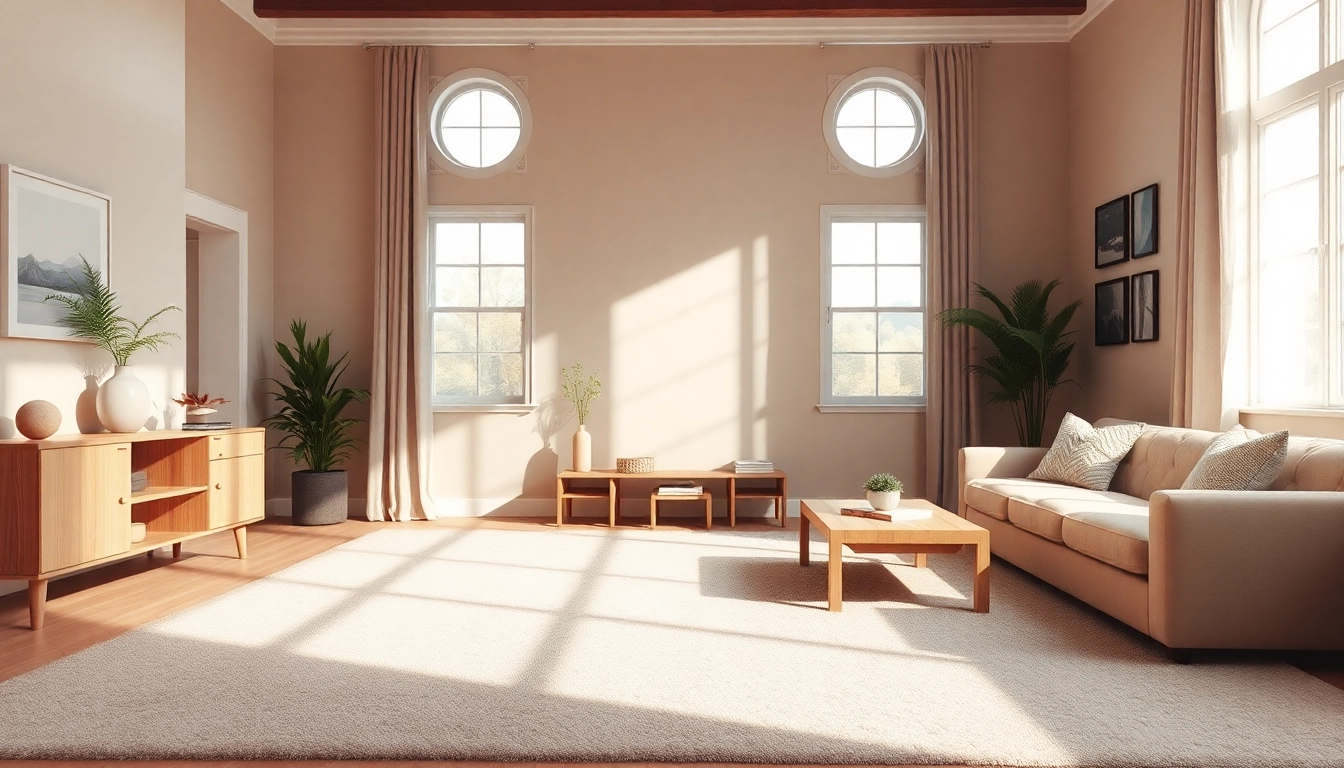
Understanding Basement Renovation Basics
Importance of Basement Renovation
Basement renovation plays a vital role in enhancing both the functionality and value of your home. Transforming this traditionally underutilized space can lead to significant benefits, such as added living area, increased property value, and improved aesthetics. Whether you envision a cozy family room, a home office, or a rental unit, strategic renovation can unlock the full potential of your basement. Not only does it provide additional square footage, but it also offers an opportunity to improve overall energy efficiency through proper insulation and ventilation.
Key Considerations Before Starting
Before diving into a basement renovation project, several key factors should be considered. First, it is essential to assess the current condition of the basement, including its moisture levels and existing structural issues. A thorough evaluation can help identify necessary repairs before renovation starts. Next, understanding local building codes and zoning laws can prevent costly delays or complications. Finally, setting clear goals for how you want the space to be used will guide your design choices and budget planning. For effective planning, referencing resources like basement renovation projects can be beneficial.
Common Challenges in Basement Renovation
Basement renovations are not without their challenges. Common issues include addressing moisture, enhancing natural light, and ensuring adequate ventilation. Poor insulation can lead to energy inefficiencies, while inadequate egress can complicate safety requirements, especially if bedrooms are being added. Planning for plumbing and electrical modifications often adds complexity, as does the need for structural reinforcements. Being aware of these common challenges upfront allows you to better plan and budget for solutions, thus ensuring a smoother renovation process.
Planning Your Basement Renovation Project
Setting a Realistic Budget
Creating a realistic budget is one of the most critical steps in a basement renovation project. Begin by assessing the existing condition and the extent of the work needed. Costs can vary widely depending on factors such as materials, labor, and the design complexity. Prioritize your renovation goals, and allocate funds accordingly. Consider setting aside an additional 10-20% for unexpected expenses, as renovations often uncover hidden issues that require additional resources.
Choosing the Right Design Style
The design style you choose can significantly affect the mood and functionality of your basement space. Popular styles include contemporary, rustic, industrial, and modern farmhouse. When selecting a design, consider how the new space will complement the rest of your home. Use colors and materials that create cohesion. Additionally, think about your lifestyle needs; for instance, a multi-functional area may require a more versatile and flexible design compared to a traditional family room.
Hiring Professionals vs. DIY
Deciding whether to hire professionals or pursue a DIY approach can significantly impact the outcome of your basement renovation. Hiring qualified professionals, such as contractors or interior designers, often ensures that work complies with local codes and achieves high-quality results. However, DIY projects can save money and offer a sense of accomplishment; just ensure you have the necessary skills and tools before embarking on extensive tasks. Weigh the pros and cons carefully, considering your budget, timeline, and expertise.
Essential Steps for Successful Basement Renovation
Permitting and Regulations
Obtaining the necessary permits and adhering to building regulations is essential for a successful basement renovation. Check with your local authorities to understand which permits are required for your project. Permits not only ensure compliance with safety standards but also protect you from future legal issues when selling your home. This process may involve submitting plans and inspections; hence, starting early can help avoid delays.
Framing and Insulation Techniques
Effective framing and insulation are crucial for a comfortable basement environment. Start by framing the walls with treated lumber to prevent rot from moisture. Proper insulation between the framing will help maintain temperature, and soundproofing may be beneficial if the basement will be used for noisy activities. Techniques such as adding vapor barriers and using spray foam insulation can enhance energy efficiency and comfort.
Installing Flooring and Walls
Choosing the right flooring materials is essential, as basements are prone to moisture. Options include vinyl, tile, and carpet tiles, which are specifically designed to withstand dampness. For walls, consider drywall, which can create a finished look, or paneling for a more textured feel. Pay attention to moisture-related issues by using moisture-resistant materials to promote longevity and prevent mold growth.
Design Ideas to Maximize Space
Creating Multi-Functional Areas
Designing multi-functional areas maximizes utility while enhancing the aesthetics of your basement. For example, a combination of a family room with a guest sleeping area can be achieved using sleeper sofas or Murphy beds. These options allow rooms to serve dual purposes without taking up additional space. Incorporating foldable furniture can also help make the space versatile for entertaining or quiet family time.
Incorporating Storage Solutions
The potential for ample storage in basements is often overlooked. Built-in shelving, cabinets, or creative use of vertical space can keep the area organized while reducing clutter. Consider utilizing under-stair spaces for additional storage or using furniture with concealed compartments. Smart storage solutions can enhance both beauty and practicality, helping you maintain a tidy environment.
Adding Cozy Features
To create a warm and inviting atmosphere, adding cozy features is essential. Incorporate soft lighting with strategically placed lamps and wall sconces to create an inviting ambiance. Textiles such as area rugs, cushions, and curtains can soften the look of the space and offer warmth. Personal touches—like artwork and cherished furnishings—can make your basement feel like a welcoming extension of your home.
Frequently Asked Questions About Basement Renovation
What is the average cost of basement renovation?
The average cost of basement renovation can vary widely based on the project’s scope, typically ranging from $20 to $50 per square foot. Factors influencing this include materials, labor, and complexity of design.
How long does a basement renovation typically take?
A basement renovation can take anywhere from a few weeks to several months, depending on the project’s scale, design complexity, and trades needed. Proper planning can help expedite the process.
Can I do a basement renovation myself?
Yes, DIY basement renovation is possible for those with construction experience. However, certain tasks—like electrical and plumbing work—may require professional expertise to ensure safety and compliance with regulations.
What are some common design styles for basements?
Common basement design styles include modern, rustic, industrial, and traditional. Choosing a style that complements the overall home decor enhances the aesthetic and creates cohesive living spaces.
How do I ensure my basement renovation is safe?
To ensure safety during your basement renovation, prioritize proper ventilation, moisture protection, and compliance with local building codes. Consider hiring professionals for complex electrical and plumbing installations.