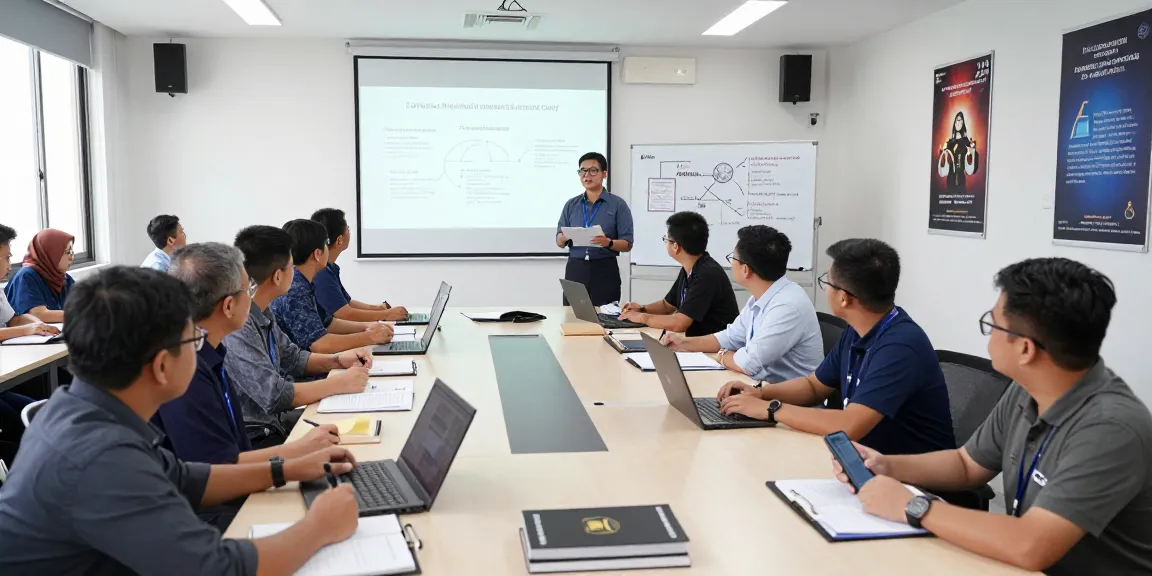
Understanding Website Development
What Is Website Development?
Website development encompasses the processes and activities involved in creating, building, and maintaining websites. This multifaceted discipline not only includes website design but also coding, content creation, server management, and database integration. From an initial idea on paper to a fully functional platform on the web, website development is an essential aspect of modern business infrastructure. An effective approach to website development ensures that users have a seamless experience while interacting with a business's online presence.
Importance of Website Development for Businesses
In today’s digital age, a well-developed website serves as the hub of a company's online presence. It acts as a primary touchpoint for customers, potential clients, and stakeholders. A well-structured and visually appealing website enhances credibility and brand perception, resulting in increased trust. Furthermore, it facilitates communication and ensures businesses can effectively reach their target audiences, driving both traffic and conversion rates. Businesses without an online presence risk losing out on vast opportunities, as a website is often the first interaction a customer has with a business.
Key Components of Effective Website Development
- User-Centric Design: Prioritizing users’ needs, ensuring accessibility and optimal experiences across devices.
- Responsive Layout: Ensuring the website adapts seamlessly to various screen sizes and devices.
- SEO Focus: Integrating SEO best practices, including keyword optimization and quality link-building, into website structure.
- Content Management System (CMS): Utilizing robust CMS solutions enables easy content updates and management.
- Security Measures: Implementing SSL certificates, firewalls, and regular updates protects data and user privacy.
Planning Your Website Development Strategy
Defining Your Goals and Audience
The first step in a successful website development strategy is clearly defining your goals and understanding your target audience. Identifying what you wish to achieve—whether it’s increasing sales, generating leads, or enhancing brand visibility—guides the entire development process. Simultaneously, researching your audience’s demographics, preferences, and online behaviors will help tailor the website to meet their needs, fostering engagement and conversion.
Choosing the Right Platform for Website Development
Selecting the right platform is crucial. Businesses often choose between custom development or using existing platforms such as WordPress, Wix, or Shopify. Each option has its benefits; custom development offers greater flexibility, while templates and CMS provide cost-effective solutions with quicker deployment. Your choice should align with your technical capability, budget, and long-term goals. Consider scalability as your business grows to avoid potential limitations in the future.
Creating a Project Timeline and Budget
A well-defined project timeline and budget play vital roles in effective website development. Establish milestones for key phases such as research, design, development, testing, and launch. This not only keeps the project on track but also allows for adjustments should any unexpected challenges arise. Additionally, allocate a budget that encompasses all aspects of development, such as design, hosting, domain registration, and ongoing maintenance to avoid overspending or financial strain.
Website Design Best Practices
User Experience in Website Development
User experience (UX) is critical in website development. A website must be intuitive, easy to navigate, and designed with users’ needs in mind. Simple layouts, clear calls-to-action, and well-organized content help guide visitors through the site. Moreover, incorporating UX testing—gathering feedback from real users during the design process—can reveal pain points and opportunities for improvement. Prioritizing UX ultimately leads to lower bounce rates and increased session durations.
Responsive Design and Its Significance
Responsive design ensures that your website provides an optimal viewing experience across various devices, from desktops to smartphones. With a significant percentage of web traffic coming from mobile devices, employing responsive design techniques is no longer optional. This adaptability not only improves usability for visitors but is also a key factor in search engine rankings, thereby enhancing visibility and reach.
Importance of SEO in Website Development
SEO (Search Engine Optimization) is intrinsically linked to website development. Implementing SEO best practices at the development stage—such as optimizing meta tags, using clean URLs, and ensuring fast loading times—can enhance your site's visibility on search engines. Regularly updating content and optimizing for keywords relevant to your target audience are critical to maintaining a competitive edge online.
Implementation and Development Process
Gathering Required Resources and Tools
Effective website development requires the right resources and tools. Depending on your platform choice, you may need specific software, hosting services, or third-party integrations. Create an inventory of all necessary tools such as project management software, graphics design tools, and coding environments. Training your team or hiring skilled professionals will further ensure that your project runs smoothly and efficiently.
Agile Development Methodology
Adopting an agile development methodology allows for flexibility and adaptability in the project. Agile focuses on iterative progress through small, manageable units of work, allowing teams to respond to changes quickly and efficiently. This approach enables feedback and adjustments along the way, improving the overall quality of the end product and facilitating timely release cycles.
Testing Your Website for Performance
Before your website goes live, thorough testing is imperative. Conduct functionality, usability, performance, and security testing to ensure everything works as intended. Performance testing checks for speed and responsiveness, while usability tests assess how easily users can navigate your site. Make adjustments based on testing data to address any issues or bottlenecks before the official launch.
Measuring Success of Website Development
Key Performance Indicators to Track
Once your site is live, measuring its performance is essential to gauge success. Key performance indicators (KPIs) such as traffic metrics, bounce rates, conversion rates, and time on page provide valuable insights into user engagement and overall site effectiveness. This data helps inform future strategies and adjustments needed to improve the user experience and achieve business goals.
Using Analytics to Improve Website Performance
Utilizing analytics tools, such as Google Analytics, allows for detailed tracking of user interactions with your site. By analyzing user behavior, identifying which pages are performing well or poorly, and understanding user demographics, businesses can make informed decisions about content, layout, and SEO strategies. Continuous monitoring is vital to adapt to changing user needs and preferences.
Gathering User Feedback for Continuous Improvement
Regular feedback from users is crucial for ongoing improvements. Implement feedback forms, surveys, and usability tests to gather insights. Understanding users' pain points and preferences enables you to refine your website further, ensuring it continues to meet their needs and expectations effectively, leading to increased satisfaction and loyalty.
FAQs About Website Development
What is the difference between web design and web development?
Web design focuses on the aesthetic elements of a website, including layout, color schemes, and user experience. Conversely, web development involves the technical processes to create and maintain a website, encompassing coding, programming, and server management.
How long does it take to develop a website?
The timeline for website development varies based on complexity, features, and team size. A simple website may take a few weeks, while a more complex platform could require several months. Planning and clear project timelines are critical.
Do I need technical skills to manage my website?
Not necessarily. Many content management systems (CMS) allow non-technical users to manage their websites effectively. However, basic understanding of web technologies can be beneficial for more advanced troubleshooting and updates.
Is responsive design necessary for my website?
Yes, responsive design is essential as it ensures your website is accessible and usable on various devices. It also plays a critical role in search engine rankings, enhancing overall user experience.
What ongoing maintenance does my website need?
Ongoing maintenance includes regular updates to content, plugins, and security measures. Monitoring site performance, fixing any bugs, and ensuring compatibility with new technologies are also crucial for sustaining website effectiveness.