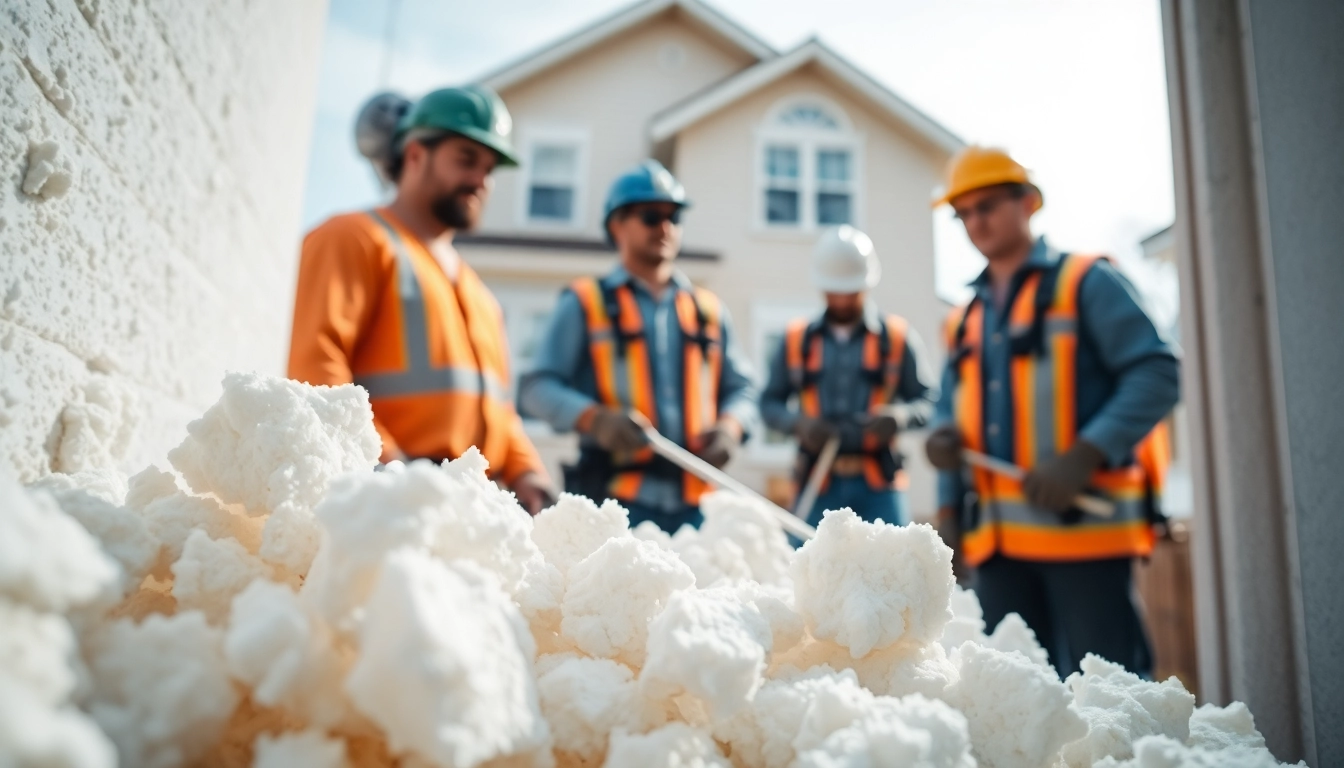
Understanding Spray Foam Removal Service
Spray foam insulation is widely recognized for its energy efficiency and effectiveness in sealing air leaks within homes and buildings. However, there are instances where this insulating material may need removal due to various factors such as damage, improper application, or the need for replacement with other insulation types. For such scenarios, a spray foam removal service becomes essential to restore the quality of insulation and ensure safety and efficiency in your space.
What is Spray Foam and Why It’s Used?
Spray foam insulation is a two-component foam that expands upon application to fill gaps and cracks, effectively providing an excellent barrier against air leakage. It offers superior thermal resistance and sound-dampening properties, making it a popular choice for both residential and commercial applications. Its application is particularly favored in attics, walls, and crawl spaces due to its ability to conform to irregular surfaces and provide an airtight seal.
Signs You Need a Spray Foam Removal Service
- Damaged Foam: Visible deterioration, such as cracking or peeling, indicates that the insulation is no longer effective and requires removal.
- Mold Growth: If excessive moisture seeps into the foam, it can lead to mold presence, which is a health risk that necessitates immediate extraction.
- Allergic Reactions or Odors: Unpleasant smells or health issues like allergies may arise from deteriorating foam materials, signaling the need for professional intervention.
- Improper Installation: Instances where foam was applied incorrectly can cause insulation voids or uneven surfaces, leading to inefficiencies.
Benefits of Professional Removal Services
Hiring a professional for spray foam removal ensures that the job is performed effectively and safely. Experts are equipped with the right tools and knowledge to handle hazardous materials and ensure that all debris is discarded appropriately. Additionally, professionals can help identify the underlying issues that necessitated the insulation’s failure, allowing for better future solutions. This can ultimately save homeowners time and money in the long run.
Choosing the Right Spray Foam Removal Service
Factors to Consider When Hiring
When selecting a spray foam removal service, consider the following factors:
- Experience and Expertise: Look for companies with proven experience in foam removal and a solid track record.
- Certifications: Check if the service providers possess necessary certifications that reflect their qualifications in handling removal tasks safely.
- Insurance: Ensure that the company is properly insured to protect yourself from liability in case of accidents during the removal process.
- Customer Reviews: Read testimonials or online reviews to gauge the quality of service provided by the company.
How to Evaluate Service Providers
A thorough evaluation is key to finding the right service provider. Start by asking for detailed estimates from multiple companies while ensuring you understand what is included in the pricing. Evaluate their communication responsiveness, professionalism, and willingness to answer your questions. Additionally, inquire about their specific removal methods and whether they have experience with your type of insulation.
Understanding Quotes and Pricing
Quotes can vary based on several factors, including the extent of the removal, the type of spray foam used, and accessibility of the space. Generally, prices for removal services are determined by square footage and complexity of the job. Expect to receive a comprehensive breakdown of the costs, which should include labor, disposal fees, and any additional services that may be required.
Process of Spray Foam Removal
Steps Involved in the Removal Process
The spray foam removal process typically involves several critical steps:
- Assessment: Professionals will first assess the area to determine the type and extent of foam needing removal.
- Preparation: The work area is prepared by covering floors and surfaces to minimize dust and debris.
- Foam Removal: Using specialized tools, the foam is carefully cut and removed, ensuring minimal disruption to surrounding areas.
- Disposal: The removed foam is disposed of according to local regulations, ensuring an environmentally responsible process.
- Post-Removal Inspection: The area is inspected, and any necessary repairs or cleaning can be addressed before new insulation is installed.
Safety Precautions During Removal
Safety is paramount during spray foam removal. Workers must wear appropriate personal protective equipment (PPE) such as gloves, respirators, and eye protection to avoid exposure to harmful chemicals. Adequate ventilation is also crucial in preventing inhalation of fumes while working. Moreover, it is important to ensure that the area is clear of any combustible materials to mitigate fire risks.
Post-Removal Cleaning and Restoration
After foam removal, thorough cleaning is necessary to eliminate any remaining debris or dust. This step is crucial to prepare the space for new insulation or renovation. Restoration might include repairing damaged surfaces, sealing gaps, and ensuring the area is ready for subsequent insulation installation. Professional services often include this as part of their offering, ensuring a seamless transition to the next phase of home improvement.
Aftercare and Maintenance
Preventing Future Issues with Insulation
After successfully removing spray foam, taking proactive measures to prevent future insulation issues is essential. This includes regularly inspecting for moisture intrusion, ensuring proper ventilation in attics and crawl spaces, and addressing any roof leaks promptly. Additionally, using vapor barriers can help prevent excessive moisture buildup which is detrimental to insulation materials.
Best Practices for Homeowners
Homeowners should educate themselves about insulation types and their respective benefits. Also, ensure that new insulation is installed correctly to maximize effectiveness. Regular maintenance checks and engaging with professionals for inspections can keep potential insulation problems at bay.
When to Schedule Routine Inspections
Routine inspections should ideally be scheduled annually, coinciding with seasonal changes or after major weather events. If any signs of damage or deterioration appear, such as leaks or unusual temperature variations, immediate inspections should be arranged to address issues promptly before they escalate.
FAQs About Spray Foam Removal Service
How long does the removal process take?
The duration of the removal process typically depends on the size and complexity of the job, but it usually ranges from a few hours to a full day.
Is spray foam removal safe for my home?
Yes, professionals use safe methods and equipment to ensure the removal is conducted effectively with minimal risk to your home.
Can I do it myself or should I hire professionals?
It is recommended to hire professionals due to the complexities and safety precautions necessary for effective and safe removal.
What are the costs associated with removal?
Costs can vary based on several factors, including size and type of foam, with estimates typically given on a per-square-foot basis.
How can I determine if my insulation needs removal?
Signs include visible damage, mold growth, unpleasant odors, and a decrease in energy efficiency within your home.