Understanding the Mount Everest Base Camp Trek
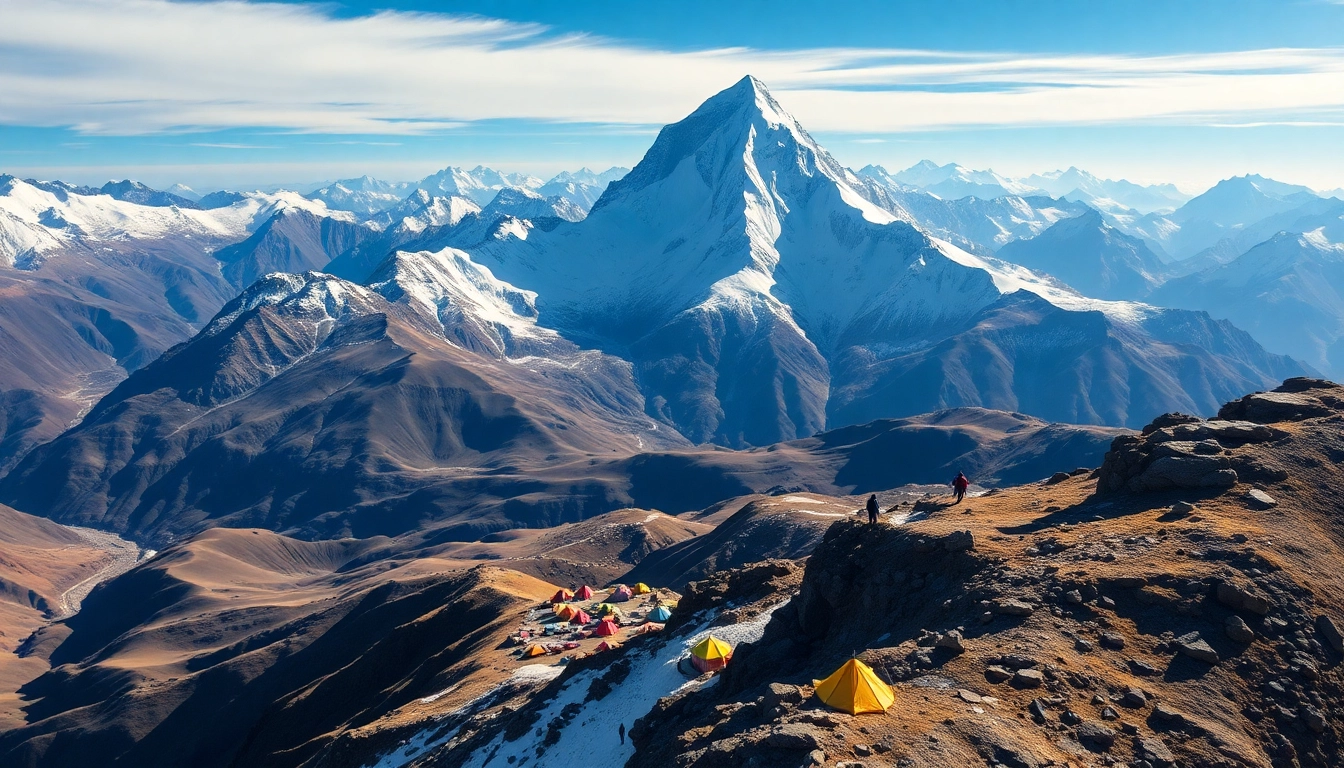
The Mount Everest Base Camp Trek is not merely a hike; it is an extraordinary journey that brings trekkers face-to-face with some of the highest peaks in the world. This trek takes you through stunning landscapes, vibrant Sherpa culture, and breathtaking vistas, culminating in an unforgettable experience at the base of Mount Everest, the tallest mountain on Earth. Over the course of 14 days, trekkers navigate diverse terrains, encounter rich local traditions, and engage with the spirit of adventure that permeates the Khumbu region. For those looking to explore the full spectrum of what this trek entails, the mount Everest base camp trek offers insights into both planning and execution.
Overview and Key Attractions
The trek to Everest Base Camp stands as one of the most sought-after adventures among trekkers worldwide. Beginning in Kathmandu, the route typically follows the Dudh Koshi River, ascending through lush forests and charming villages to reach Namche Bazaar, the gateway to the high Himalayas. Key attractions include the stunning views of peaks like Lhotse, Nuptse, and the massive Khumbu Glacier, as well as cultural highlights such as the Tengboche Monastery, known for its stunning mountain backdrop and rich Buddhist traditions. Each day's trek offers not just a physical challenge, but also an opportunity to connect with the unique traditions and lifestyle of the Sherpa people.
The Significance of the Trek
Undertaking the Everest Base Camp Trek is not solely about reaching a destination; it is about partaking in an adventure that has been a rite of passage for climbers and trekkers for decades. The journey is steeped in history, with the lore of Sir Edmund Hillary and Tenzing Norgay, who first conquered Everest in 1953, inspiring countless others to follow in their footsteps. Trekking to Base Camp symbolizes personal achievement and resilience, transcending mere travel to become a transformative experience. Additionally, the trek fosters a deeper appreciation for nature, the challenges of high-altitude conditions, and the conservation of the pristine environments of the Himalayas.
Challenges and Rewards of Trekking
While the Everest Base Camp Trek is accessible to many, it is not without its challenges. Trekkers must contend with altitude sickness, rugged terrain, and unpredictable weather patterns. Acclimatization is crucial, as climbing to heights over 5,364 meters can lead to various health issues. However, the rewards are substantial. Trekkers are greeted with panoramic views of the world’s highest peaks, the thrill of reaching Base Camp, and the camaraderie built along the trail. Getting to know fellow trekkers and local Sherpas provides a rich social experience, while the stunning landscapes cultivate a sense of awe and appreciation for the natural world.
Planning Your Mount Everest Base Camp Trek
Planning for the Everest Base Camp Trek involves meticulous consideration of numerous factors. From selecting the right trekking company to arranging accommodations, understanding the journey is crucial for a smooth experience. Many trekkers opt for guided tours that provide comprehensive itineraries, local knowledge, and safety protocols, ensuring a fulfilling adventure while prioritizing health and safety. Choosing Ace the Himalaya guarantees well-planned logistics and expert guidance, making your journey as enjoyable as possible.
Best Time to Trek to Everest Base Camp
The timing of your trek can significantly impact your experience at Everest Base Camp. The best seasons to trek are typically spring (March to early June) and autumn (mid-September to November). During these periods, weather conditions are relatively stable, offering clear skies and moderate temperatures, ideal for trekking. Spring is characterized by blooming rhododendrons, while autumn provides crisp air and stunning fall colors. Conversely, the monsoon season (July to mid-September) is less favorable due to heavy rainfall that can lead to landslides and trail disruptions, while winter (December to February) brings harsh conditions and is less crowded.
Essential Gear and Packing List
Equipping yourself with the right gear is vital for a successful trek to Everest Base Camp. Essential items should include a durable pair of trekking boots, layered clothing suitable for varied temperatures, a high-quality down jacket, and a sleeping bag rated for cold weather. Additionally, items such as trekking poles, a reliable water purification system, and first aid supplies are crucial. Trekkers should also consider personal items like sunscreen, sunglasses, and snacks. Proper preparation ensures that trekkers can face the challenges of the trek adequately.
Travel Insurance and Safety Guidelines
Purchasing travel insurance that covers high-altitude trekking is imperative for anyone undertaking the Everest Base Camp trek. A comprehensive insurance policy should include coverage for emergency evacuations, health issues, and potential trip cancellations. Trekkers must also be conscious of safety guidelines, particularly regarding altitude sickness. Slow ascent, regular hydration, and listening to your body are essential for a safe experience. Guides from reliable trekking companies are trained to manage emergencies and assist trekkers, enhancing safety throughout the journey.
Itinerary Overview for the 14-Day Trek
The 14-day itinerary for the Everest Base Camp Trek is crafted to provide a balanced combination of trekking, acclimatization, and cultural experiences. This detailed breakdown outlines each stage of the trek, ensuring trekkers are well-prepared for every phase of the journey. Key elements include acclimatization days that allow trekkers to adjust to increasing altitudes while enjoying stunning views.
Day-by-Day Breakdown
- Day 1: Arrival in Kathmandu and transfer to your hotel.
- Day 2: Fly to Lukla then trek to Phakding.
- Day 3: Trek to Namche Bazaar.
- Day 4: Acclimatization day in Namche; hike to Hotel Everest View.
- Day 5: Trek to Tengboche.
- Day 6: Trek to Dingboche.
- Day 7: Acclimatization day; hike to Nangkartsang Peak.
- Day 8: Trek to Lobuche.
- Day 9: Trek to Everest Base Camp and back to Gorak Shep.
- Day 10: Morning hike to Kala Patthar; descend to Pheriche.
- Day 11: Trek to Namche Bazaar.
- Day 12: Trek to Lukla.
- Day 13: Fly back to Kathmandu.
- Day 14: Departure from Kathmandu.
Acclimatization Days Explained
Acclimatization is crucial for success during the mount Everest base camp trek. During designated acclimatization days, trekkers ascend to higher altitudes and then return to lower elevations to allow their bodies to adjust to decreased oxygen levels. These strategic pauses help prevent altitude sickness, enabling trekkers to continue on their journey safely. Taking the acclimatization process seriously increases the overall chances of a successful and enjoyable trek.
Highlights of Each Destination
Each stop along the trek offers unique experiences. Namche Bazaar is not just a transit point but a cultural hub filled with shops, cafes, and stunning views. Tengboche Monastery offers glimpses into the spiritual life of the Sherpas, while Dingboche provides breathtaking views of the surrounding peaks. At Everest Base Camp, the feeling of standing among giants of nature is unparalleled, capturing the essence of the entire trek in one moment.
Costs and Packages for the Mount Everest Base Camp Trek
Understanding the costs associated with the Everest Base Camp Trek is vital for proper budgeting and planning. The price of the trek can vary significantly based on factors such as the package chosen, the time of year, accommodation options, and the services included. By evaluating different trekking companies and packages, trekkers can find an option that best suits their needs and budget.
Understanding Trekking Costs
The standard cost of the Everest Base Camp Trek typically ranges from $1,650 to $2,500 per person. This pricing usually encompasses accommodations, meals, permits, domestic flights, and experienced guides. However, prices can fluctuate based on peak season and specific inclusions, such as luxury accommodations or additional treks. Understanding these aspects helps trekkers make informed decisions.
What Your Package Includes
Most Everest Base Camp Trek packages include the following:
- Transportation from Kathmandu to Lukla and back
- Accommodation in teahouses during the trek
- Meals along the trek (breakfast, lunch, and dinner)
- Permits required for the trek
- Experienced trekking guides and porters
Reviewing the inclusions of each package ensures clarity on what is covered, allowing trekkers to anticipate additional costs that may arise during the trek.
Optional Upgrades and Customization
Trekkers have the option to enhance their adventure through various upgrades and customization options. These may include luxury accommodation, private guides, helicopter returns from Base Camp, and guided tours in Kathmandu. Custom itineraries allow trekkers to adjust their experience according to personal preferences, fitness levels, and schedules, ensuring a fulfilling journey tailored to individual desires.
Tips for a Successful Mount Everest Base Camp Trek
Preparation is key to a successful trek to Everest Base Camp. By adhering to specific guidelines and focusing on physical and mental readiness, trekkers can significantly enhance their chances of achieving their goals. Below, we outline essential tips to consider before and during your adventure.
Physical Preparation and Training
To ensure readiness for the trek, it is crucial to engage in a training regimen that includes cardiovascular exercises, strength training, and hiking practice. Trekkers should aim to walk at least four to five times per week for a duration of one hour. Training should also mimic the uneven terrain faced on the trek to build endurance and resilience.
Dealing with Altitude Sickness
Altitude sickness poses a significant risk on the Everest Base Camp trek. To mitigate these risks, trekkers should focus on gradual ascents, ensuring proper acclimatization, and staying well-hydrated. Recognizing the symptoms of altitude sickness, such as headaches and nausea, is crucial for timely action and safe trekking.
Respecting Local Culture and Environment
Trekkers are encouraged to embrace and respect the local culture encountered along the Everest Base Camp route. Engaging with the Sherpa people, learning about their customs, and supporting local economies through ethical tourism enhances the trekking experience. Furthermore, preserving the environment by following the principles of Leave No Trace is essential to maintain the beauty of the Himalayas for future generations.