Understanding Central Heating Hidden Leaks
Central heating systems are essential for maintaining a comfortable home environment, especially during colder months. However, one silent enemy that can compromise this comfort is a hidden leak. These leaks often go unnoticed until they cause significant damage, leading to costly repairs and discomfort. Understanding the nature of these hidden leaks, their causes, symptoms, and potential consequences is vital for every homeowner. When addressing the complexities of central heating hidden leaks, recognizing the telltale signs can save you from extensive property damage and expensive repairs.
Common Causes of Hidden Leaks
Various factors contribute to hidden leaks in central heating systems, including:
- Corrosion: Over time, pipes and fittings can corrode, leading to weakened structures that are susceptible to leaks.
- Temperature Fluctuations: Rapid changes in temperature can cause materials to expand and contract, increasing the risk of cracks and leaks.
- Improper Installation: Poorly installed systems may have joints or connections that are not secure, leading to potential leaks down the line.
- Wear and Tear: Like any other home system, central heating systems can wear out over time, making leaks more likely.
Identifying Symptoms of a Hidden Leak
Being vigilant about the symptoms of a hidden leak can prevent more extensive damage. Look out for:
- Unexplained Increases in Utility Bills: A sudden spike in your heating bills could indicate a leak.
- Wet or Damp Patches on Walls or Floors: These can be signs of a leaking pipe behind the surface.
- Unusual Sounds: Listen for hissing or dripping sounds when the system is running.
- Radiators Not Heating Properly: This could be a sign of air trapped in the system due to a leak.
Consequences of Ignoring Leaks
Ignoring a hidden leak can lead to several damaging outcomes:
- Structural Damage: Prolonged exposure to moisture can weaken structural components of your home.
- Mold Growth: A hidden leak creates the perfect environment for mold, which poses health risks.
- Increased Repair Costs: The longer you wait to address a leak, the more expensive the repairs will be.
Advanced Detection Techniques for Central Heating
Detecting hidden leaks in your central heating system requires advanced technology and methods. Proper diagnosis is essential, and here are some modern techniques used by professionals:
Non-Invasive Methods Explained
Non-invasive leak detection methods are designed to minimize damage to your home while accurately identifying leaks. These techniques include:
- Moisture Mapping: This technique uses sensors to identify areas with excessive moisture, helping locate leaks.
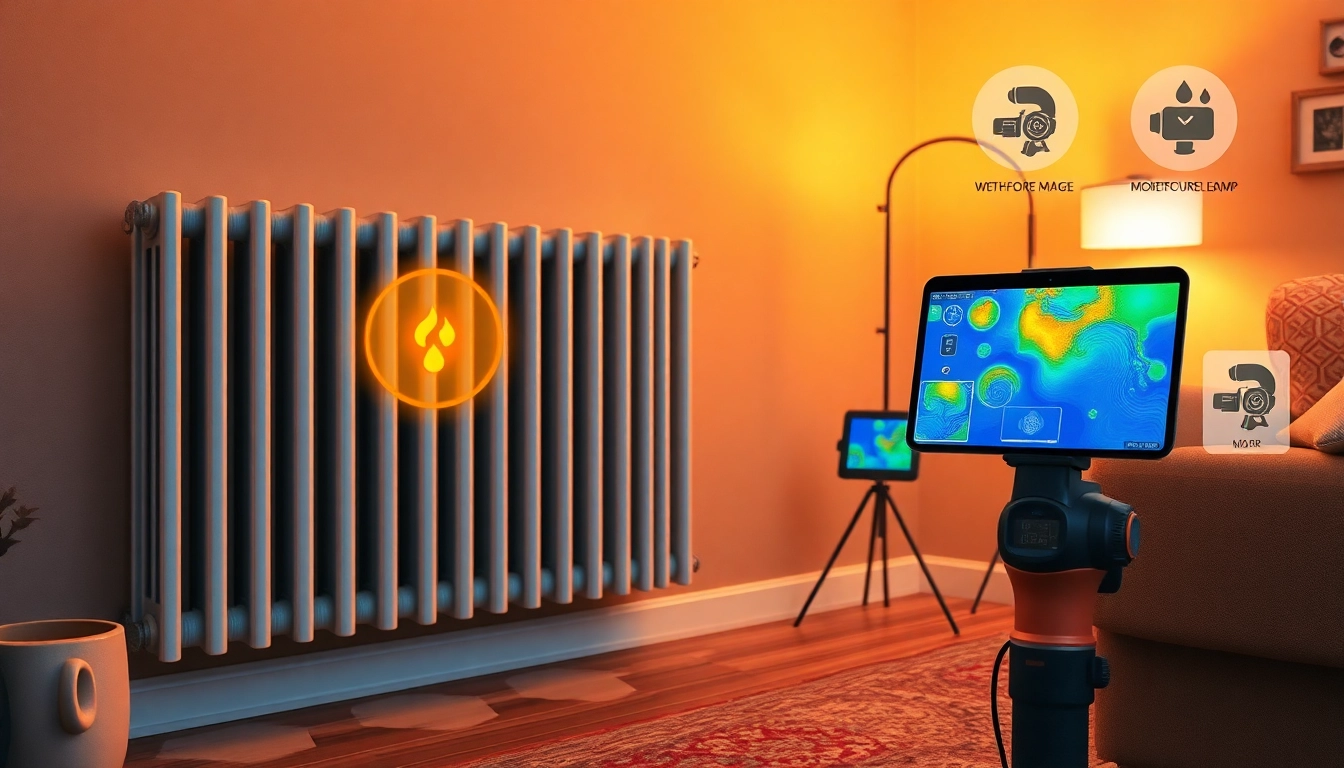
- Infrared Thermography: Thermal imaging cameras detect temperature variations in walls and floors, highlighting potential leak sources.
Using Thermal Imaging for Leak Detection
Thermal imaging is a powerful tool in leak detection. It allows technicians to visualize heat patterns and identify cold spots that may indicate hidden leaks. This non-invasive approach can pinpoint leak locations without disrupting your walls or floors.
The Role of Acoustic Listening Devices
Acoustic listening devices amplify sounds of leaking water or gas, allowing technicians to accurately locate leaks even when they are buried underground or hidden behind walls. The precision offered by these tools significantly aids in swift repairs.
How to Prevent Central Heating Hidden Leaks
Preventing hidden leaks in your central heating system is crucial for maintaining an efficient and safe environment. Here are several proactive steps you can take:
Regular Maintenance Practices
Routine inspections and maintenance of your heating system can help identify potential issues before they develop into major leaks. Schedule annual checks with qualified technicians to ensure your system remains in optimal condition.
Insulation and Its Importance
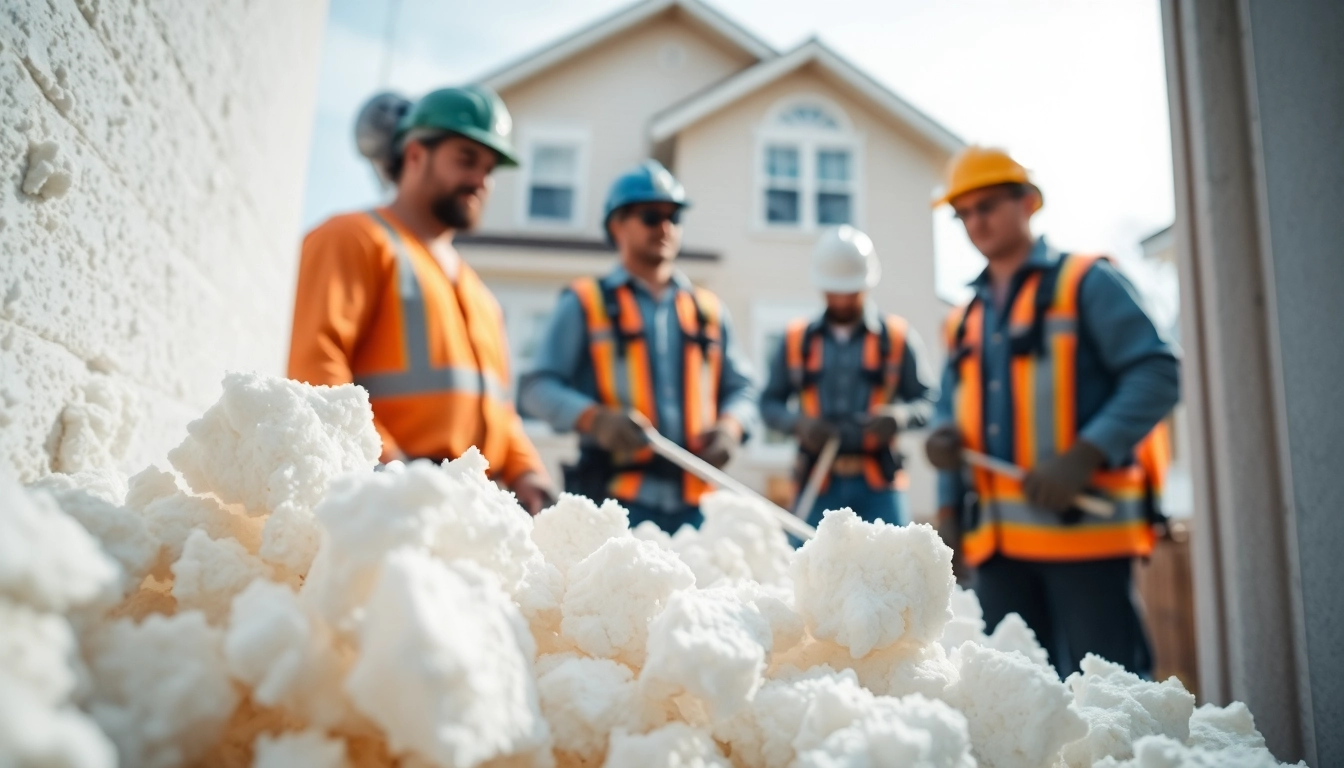
Proper insulation around pipes can prevent temperature fluctuations that lead to expansion and contraction, thus minimizing the risk of leaks. Ensure that pipes are adequately insulated, especially in unheated areas of your home.
Installing Smart Monitoring Systems
Consider integrating smart leak detection systems that monitor your heating system in real time. These devices can alert you to pressure drops or irregularities, allowing for immediate investigation.
When to Call a Professional Leak Detection Specialist
While some leaks can be detected and fixed by savvy homeowners, there are times when professional assistance is necessary. Knowing when to call in experts is vital for effective leak management.
Signs It's Time for Professional Help
If you notice any combination of unexplained utility bill increases, dampness in your home, or suspect your heating system is malfunctioning, it’s time to contact a leak detection specialist. These professionals have the expertise and equipment necessary to address your concerns effectively.
Choosing the Right Leak Detection Services
Selecting a qualified leak detection service involves considering their experience, technology, and customer reviews. Look for companies that offer guarantees on their work and employ the latest detection methods.
The Benefits of Professional Assessment
A professional assessment not only provides peace of mind but can also prevent extensive property damage. Certified specialists can offer detailed reports on the condition of your heating system, along with recommendations for repair or upgrade.
Future Trends in Leak Detection Technology
As we move towards 2025, the field of leak detection technology continues to evolve. Here’s what to expect:
Emerging Innovations for 2025
Expect advancements such as AI-driven monitoring systems that can predict potential leaks based on usage patterns and historical data. These tools will greatly enhance the efficiency and accuracy of leak detection services.
Integrating AI in Leak Detection
Artificial intelligence will play a crucial role in analyzing data and detecting anomalies in heating systems. This integration promises quicker response times and improved accuracy in leak identification.
The Impact of New Regulations on Service Standards
As awareness of environmental issues increases, new regulations are being put in place to ensure better monitoring and maintenance of heating systems. These regulations will likely lead to higher industry standards for leak detection services.