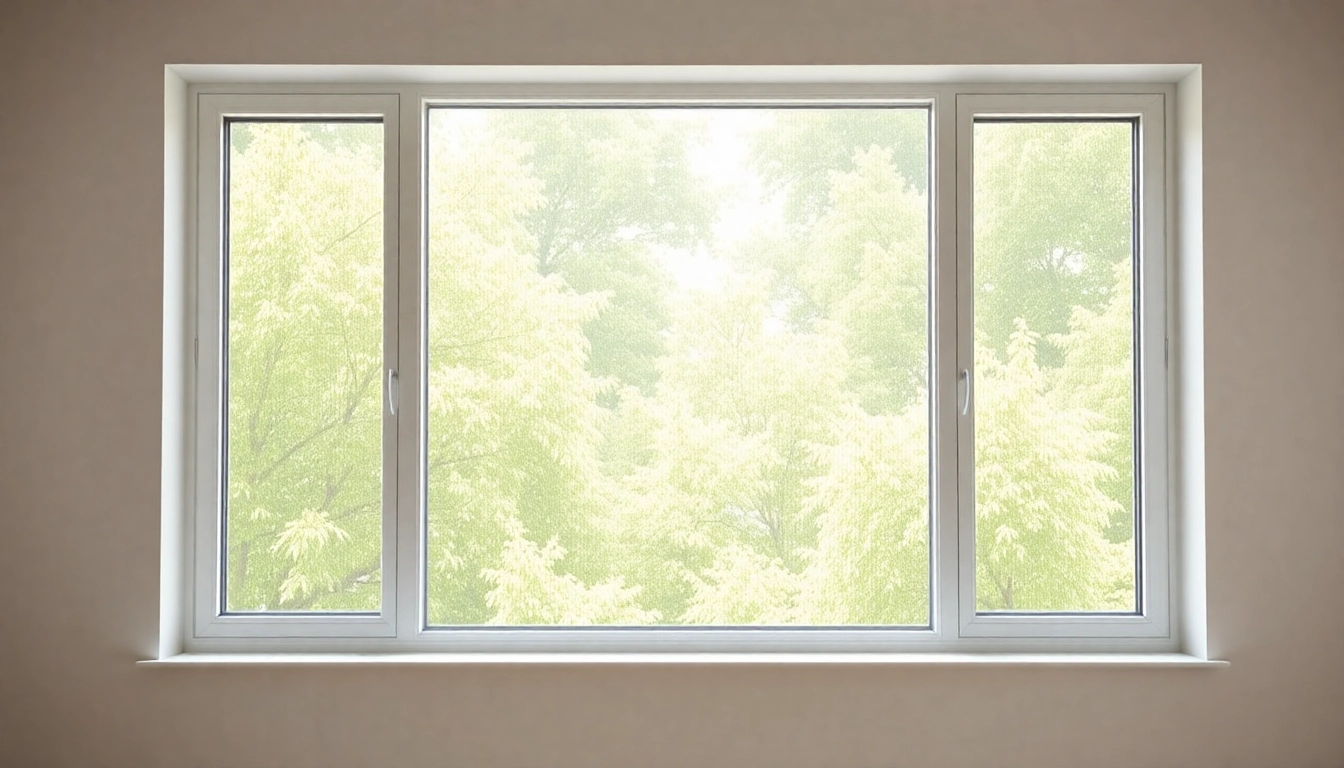
Understanding Fly Mesh Windows
What are Fly Mesh Windows?
Fly mesh windows are specialized window screens designed to provide effective pest control while allowing natural light and fresh air to flow into your home. Typically made from a variety of materials, these screens are installed in or around window frames to prevent insects from entering the living spaces. Unlike traditional window screens, fly mesh windows are often more durable and can be customized to fit specific window sizes. They are an essential feature in many homes, especially during warmer months when insects become more active.
Benefits of Using Fly Mesh Windows
The adoption of fly mesh windows comes with numerous benefits:
- Pest Control: One of the primary advantages is their ability to significantly reduce the penetration of insects such as flies, mosquitoes, and other unwanted pests, providing a more comfortable living environment.
- Enhanced Ventilation: Fly mesh windows allow for fresh air circulation without the risk of bug intrusion, which is particularly advantageous in the summer months.
- Natural Light: They enable natural light to illuminate your home while keeping pests at bay, making interiors brighter and more inviting.
- Energy Efficiency: By allowing fresh air in, windows with fly mesh can help reduce reliance on air conditioning, potentially lowering energy costs.
- Durable Materials: Many fly mesh screens are built from high-quality materials that resist wear and tear, ensuring long-term use without significant degradation.
How Fly Mesh Windows Work
Fly mesh windows function by utilizing a tightly woven screen material that creates a barrier against insects while still allowing airflow. The screens fit snugly into window frames and can be fixed, retractable, or removable. When the window is open, these screens act as a first line of defense against pests. Additionally, advancements in mesh technology have led to materials that enhance visibility and airflow while minimizing bug access.
Choosing the Right Type of Fly Mesh Windows
Fixed vs. Retractable Fly Mesh Windows
When selecting fly mesh windows, homeowners face the choice between fixed and retractable options:
- Fixed Fly Mesh Windows: These screens are permanently installed in the window frame and provide continuous protection. They are ideal for frequently used windows or areas where pet access is not necessary.
- Retractable Fly Mesh Windows: Designed for convenience, these screens can be pulled down or rolled up when not in use. This option is great for homeowners who want flexibility and prefer an unobstructed view when the screen is retracted.
Material Options for Fly Mesh Windows
The material choice for fly mesh windows is crucial as it influences durability, appearance, and effectiveness:
- Fiberglass: A common and cost-effective option known for its durability and UV resistance. Fiberglass mesh is lightweight yet strong, making it suitable for various environments.
- Aluminum: This material offers exceptional strength and rust resistance but may not provide as clear a view as fiberglass.
- Stainless Steel: Best for high-traffic areas or homes near water, stainless steel is resistant to corrosion and damage, providing a long-lasting solution.
Custom vs. Pre-made Fly Mesh Windows
Deciding between custom and pre-made fly mesh windows depends on individual needs:
- Custom Fly Mesh Windows: Tailored specifically to fit unique window sizes or shapes, providing optimal coverage and protection.
- Pre-made Fly Mesh Windows: Readily available in standard sizes, these can be suitable for many homes, often at a lower price point than custom solutions.
Installation Process for Fly Mesh Windows
Preparing for Installation
Proper preparation is key to a successful installation of fly mesh windows. Start by measuring your window dimensions accurately, accounting for any obstructions that may interfere with the installation. Gather all necessary tools, including a tape measure, staple gun, and scissors, for easy assembly. Choosing the right installation type—whether fixed or retractable—will also determine your preparation steps.
Step-by-Step Installation Guide
Here’s a concise, easy-to-follow installation process:
- Measure and Cut: Measure your window frame carefully. Cut the fly mesh screen to the appropriate size, allowing for at least an inch of overlap on all edges.
- Attach Fasteners: Depending on the window type, use either adhesive strips or clips to secure the mesh in place. If using a retractable frame, follow the manufacturer instructions for installation.
- Secure the Mesh: Ensure that the mesh is taut and free from wrinkles or gaps that may allow insects to enter.
- Test Functionality: Open and close the window (if applicable) to ensure the screen operates smoothly and adequately protects against pests.
Common Installation Mistakes to Avoid
To ensure a successful installation, beware of these common pitfalls:
- Inaccurate Measurements: Always double-check measurements to avoid purchasing the wrong screen size.
- Poor Quality Fasteners: Use strong adhesive or clips to ensure the screen remains securely attached over time.
- Neglecting Gaps: Ensure that all edges of the screen are tightly secured to prevent insect entry.
Maintaining Your Fly Mesh Windows
Cleaning Techniques for Fly Mesh Windows
Maintenance is critical for the sustained effectiveness of fly mesh windows:
- Routine Cleaning: Use a soft brush or vacuum attachment to remove dust and debris. Regular cleaning helps maintain visibility and prevent the mesh from deteriorating.
- Deep Cleaning: For more extensive cleaning, remove the screen and wash it with mild soap and water. Rinse thoroughly and allow it to dry completely before reinstallation.
Repairing Damaged Fly Mesh Windows
When hints of damage occur, taking quick action can save the screen. If the mesh develops tears or holes, you can typically repair it with a patch kit or by replacing the affected section. Ensure the area is clean and dry before applying any adhesive patch.
Seasonal Maintenance Tips
As seasons change, so do the maintenance needs of your fly mesh windows:
- Spring: Inspect and clean screens post-winter to prepare for increased insect activity.
- Summer: Regularly check screens for wear and tear caused by sun exposure.
- Fall: Remove and store removable screens to protect against harsh winter conditions.
FAQs on Fly Mesh Windows
How much do fly mesh windows cost?
The cost for fly mesh windows varies based on size and type, typically ranging from $50 to $300 for fixed varieties and possibly higher for custom retractable options.
Can I install fly mesh windows myself?
Yes, many homeowners can install fly mesh windows themselves. A straightforward guide can help ease the process, making it feasible even for those without experience.
Are fly mesh windows effective against all insects?
Fly mesh windows are designed to keep out common pests like flies and mosquitoes, but smaller insects may still find their way through the mesh, so combining methods may enhance protection.
How do I clean fly mesh windows?
For cleaning, gently brush away dust or vacuum the surface to remove debris. For deeper cleaning, remove the screen and wash it with mild soap and water, then air dry before reinstalling.
What materials are fly mesh windows made from?
Fly mesh windows can be constructed from fiberglass, aluminum, or stainless steel mesh, each offering different durability and visibility characteristics suited to various environments.